


At a glance
- Culturally significant entities (CSEs) are defined as as culturally important species and ecological communities identified by Indigenous people with authority for Country.
- Recognising CSEs supports climate adaptation by integrating Indigenous knowledge to identify climate risks to culturally and ecologically important species and to strengthen adaptive monitoring and management.
- CSEs can be embedded into good policy and planning, to recognise Indigenous Australians as rightsholders in caring for Country under climate change.

Culturally Significant Entities reflect an enduring relationship with Country
Culturally Significant Entities (CSEs) are animals, plants, and ecological communities that hold importance for Indigenous cultural identity, knowledge systems, and the ongoing care of Country. In coastal environments, CSEs are closely connected to Indigenous culture and reflect enduring relationships between people, land, and sea that remain active today.
Understanding CSEs means recognising that many species and ecological communities have cultural roles beyond their ecological or conservation status. CSEs may be part of creation stories and songlines, recognised as totems, used for food, medicine, or materials, or essential to ceremony and customary practice.
CSEs can also function as indicators of ecosystem health, aligning Indigenous knowledge with coastal monitoring, management, and adaptation to environmental change. For instance, changes in CSEs may provide important insights for coastal adaptation; they can offer early signals of climate impacts such as sea-level rise, habitat change, and shifting species distributions. In this way, they support adaptation responses that sustain both cultural practices and ecosystem resilience.
Cultural significance is not limited to threatened or native species. A CSE may be common, rare or native – it can even be non‑native. It may be valued as a cultural food or economic resource, or identified as a threat to cultural values and practices. As place‑based cultural assets, CSEs carry both tangible and intangible values that are specific to location and community.
Despite their importance, CSEs are not yet recognised or managed as systematically as threatened species under existing legislation. Researchers in this area are working towards a shift in governance – from engaging Indigenous Australians as stakeholders to recognising them as rightsholders with cultural authority, responsibilities, and decision‑making roles in Caring for Country.
a video on the project: Recognising Culturally Significant Entities, from the National Environmental Science Program, Resilient Landscapes Hub.
Co-designing a national definition of CSEs
Over 12 months, the project to co-design and endorse a national definition of CSEs has engaged more than 300 people through six workshops and co-developed 24 case study examples with Indigenous Knowledge-holders across Australia. This work was guided by the Indigenous Leadership Group and National Project Steering Committee.
The national definition of a CSE is:
Culturally significant entities (CSE) are species and ecological communities to which Indigenous Australians attribute cultural value, and which are critical to their relationship with, and adaptation to, Country (land, water, sea and sky).
The project has been supported with funding from the Australian Government under the National Environmental Science Program Resilient Landscape Hub.
the summary report on CSEs, which includes the co-design process and the concise national definition (supported by explanatory notes).
case studies from the National Environmental Science Program, Resilient Landscapes Hub via the interactive map that includes coastal CSEs such as:
- Nguruny (coastal emu) on Bundjalung Country (Costello et al. 2026)
- Green turtle and Kimberley Saltwater Country (Kimberley Indigenous Saltwater Advisory Group 2026)
- Gurur (Brolga) on Darumbal Country (Mann 2026),
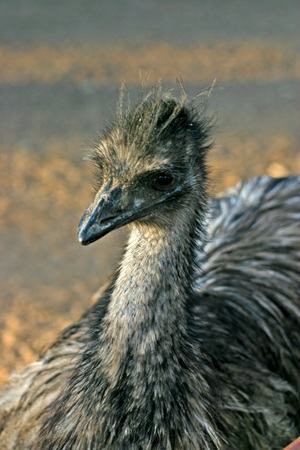
Nguruny, or coastal emu, is a significant species for the Gumbaynggir, Yaegl and Bundjalung Nations of northern New South Wales. The traditional pathways followed by Nguruny have long connected these communities and are deeply linked to cultural practice, identity, economy and Lore: they hold particular importance for Bundjalung men (Costello et al. 2026).
- @ Leong Chee Onn ID 4213781Dreamstime.comID 4213781 Leong Chee Onn Dreamstimecom
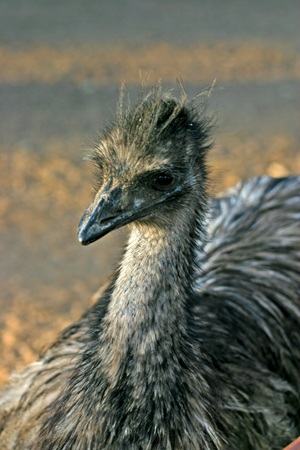
Nguruny, or coastal emu, is a significant species for the Gumbaynggir, Yaegl and Bundjalung Nations of northern New South Wales. The traditional pathways followed by Nguruny have long connected these communities and are deeply linked to cultural practice, identity, economy and Lore: they hold particular importance for Bundjalung men (Costello et al. 2026).
@ Leong Chee Onn ID 4213781Dreamstime.com
Considering CSEs in adaptation planning
Coastal practitioners can strengthen adaptation planning by actively incorporating CSEs into the planning process. CSEs can be incorporated into risk assessments and adaptation priorities through their recognition as indicators of environmental change and values that require protection, alongside infrastructure and biodiversity.
This begins with culturally safe and early engagement with Traditional Owners to identify locally important species and ecological communities in the coastal context. Monitoring should include Indigenous-led 'Monitoring Country' approaches to ensure that changes to CSEs inform adaptive management over time.
Effective integration requires processes for respectful collaboration and shared decision-making that enables Traditional Owners to guide how Indigenous knowledge is used and can help to shape coastal futures.
Improving recognition, relationships and governance
Considering CSE values requires considering cross-cutting priorities of:
- climate change – integrating CSEs into climate change modelling, mitigation and adaptation strategies, recognising that climate impacts can threaten both cultural and ecological values
- data and knowledge management – investing in secure data systems, national case-study repositories and culturally appropriate management of CSE knowledge, including the role of Elders as Knowledge-holders and intergenerational transfer
- self-determination and Treaty – recognising that Indigenous self-determination, Treaty rights and sovereignty need to be considered in policy and legislative development.
- DCCEEW guidelines on the international concept of Free Prior and Informed Consent (FPIC).
- resources in CoastAdapt on:
- case studies in CoastAdapt about Caring for Sea Country.