


At a glance
- Australian coastal zones are likely to experience widespread impacts from climate change and sea-level rise.
- Some impacts are specific to coastal areas.
- Rising sea levels combined with storm surge is likely to cause accelerated erosion and increased risk of inundation. For settlements and infrastructure this is likely to result in damage to and loss of infrastructure. For ecosystems, sea level rise may lead to loss of habitat, and salinisation of soils may cause changes to the distribution of plants and animals.
- Incremental warming of the ocean will affect ecosystems, such as coral reefs of the Great Barrier Reef and kelp forests of the Great Southern Reef.
- Increased emissions of carbon dioxide to the atmosphere are partly absorbed by oceans, increasing the acidity of ocean waters and changing the physiology of marine organisms.
- Some impacts are more general.
- More intense rainfall will increase flood risk: sectors or locations with repeated flooding (and the associated difficulties and trauma) will need to become more flood resilient or consider relocating.
- Increased temperatures will cause more heatwaves, with impacts on human and ecosystem health, with increased risk of health and mortality impacts on people, animals and plants.
Climate change impacts on the coast
Australian coastal zones are likely to experience the full range of impacts from climate change and sea level rise. With over 80 % of the population living near the coast, this is likely to cause significant economic and social costs to Australia.
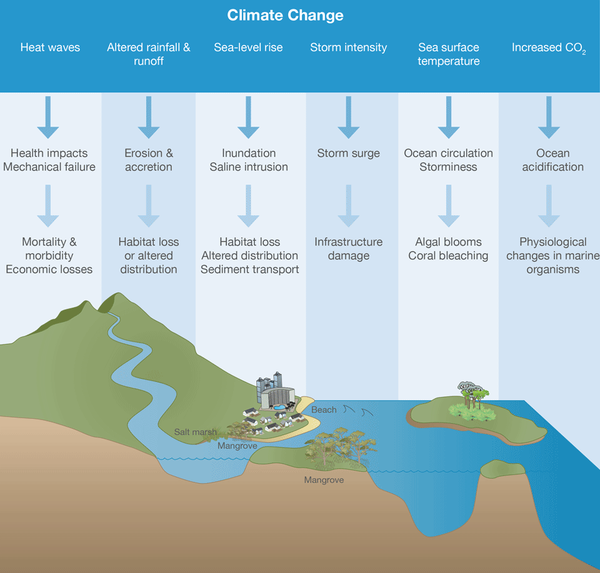
Impacts of climate change on coastal areas.
- Image created courtesy of the Integration and Application Network, University of Maryland Center for Environmental Science (ian.umces.edu/symbols/).#220_overview of cc at the coast
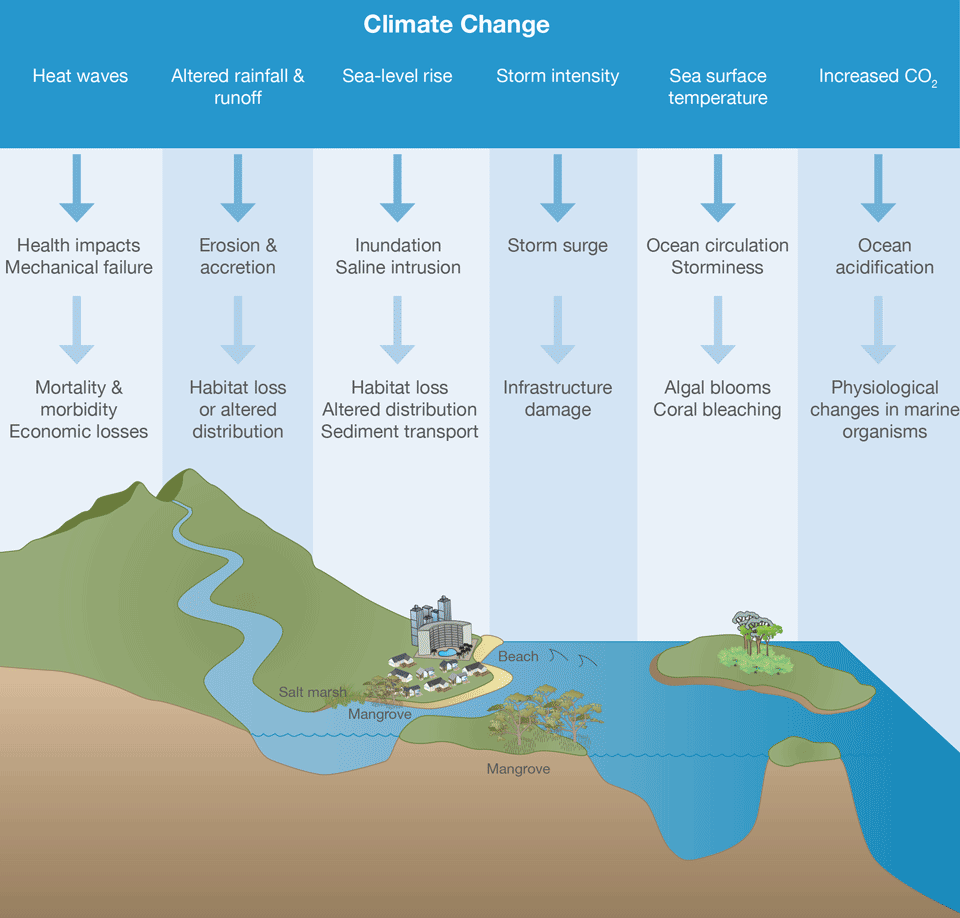
Impacts of climate change on coastal areas.
Image created courtesy of the Integration and Application Network, University of Maryland Center for Environmental Science (ian.umces.edu/symbols/).
Impacts of rising sea levels
Impacts of rising sea levels, together with storm surge, are likely to cause inundation and accelerated erosion of many beaches around the Australian coast.
While sea-level rise will have far reaching effects in the mid to long term, there is a more imminent risk from short-term extreme storms. When higher seas (due to sea-level rise) combine with strong winds and wave action, there is an increased risk of inundation.
Inundation will eventually submerge low-lying coastal areas. This will lead to regular tidal flooding of communities and subsequently loss of land. Some properties will experience damage or become uninhabitable with some areas needing to be relocated with potential consequences such as cultural disruption and social and economic hardship.
Indigenous and built cultural heritage is being eroded, with historic buildings and archaeological sites damaged or lost due to flooding and shoreline retreat.
about impacts:
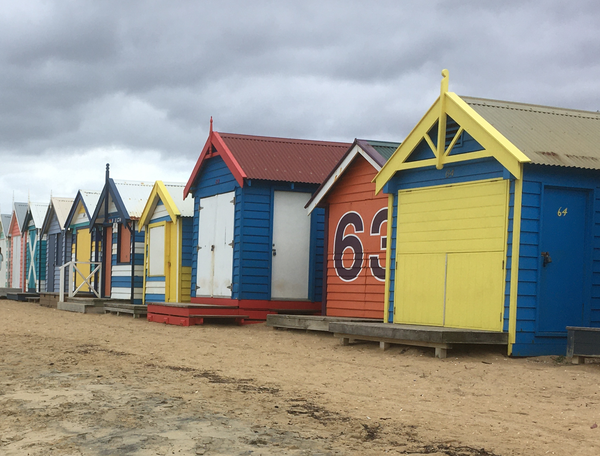
Built cultural heritage is being eroded, with historic buildings at risk from rising seas and storm surge.
- © NCCARF#220_Brighton Beach boxes
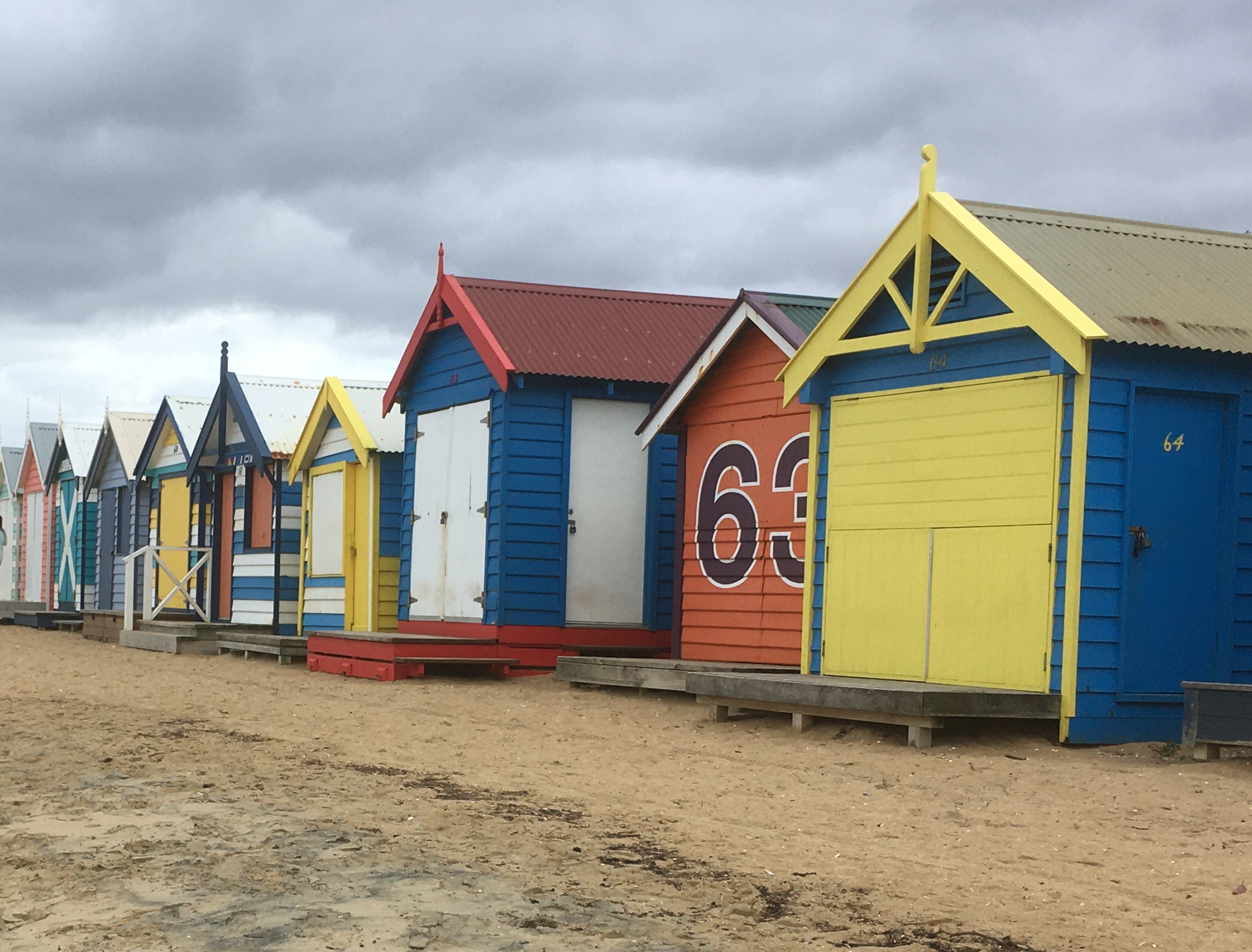
Built cultural heritage is being eroded, with historic buildings at risk from rising seas and storm surge.
© NCCARF
Inundation will lead to intrusion of salt water in soil and ground water. It will also lead to coastal squeeze with critical ecosystems such as mangrove and saltmarsh have less space to move as seas rise.
about impacts on:
- groundwater
- estuaries
- ICOLLs (intermittent closed and open lakes and lagoons)
Inundation will also threaten significant industries and infrastructure. Coastal fisheries and aquaculture are likely to experience decline in productivity productivity due to warming oceans, shifting fish populations, and coral reef damage, impacting food security and traditional livelihoods.
Impacts of rainfall runoff
Increasingly heavy rainfall events are likely to influence sediment delivery to the coast, which will influence coastal erosion. Land use change and extreme rainfall events also increases the load of contaminants in waterways.
more about Impacts on beach and estuary sediments
Including some case studies on adaptation responses
more about Contaminated lands and disaster waste
including several case studies in Dealing with contamination
More intense rainfall from inland or upper catchments can also be an additional flood risk as they work their way down through the catchment.
Additionally, freshwater flows into estuarine and coastal ecosystems play a critical role in supporting ecological health and productivity. These inputs deliver essential nutrients that enhance coastal productivity; however, they may also carry pollutants such as sediments and agricultural fertilizers, which can degrade water quality.
Heavy rain and local flooding will lead to damage to roads, buildings and urban drainage. especially during high tide and story events, which will place financial strain on council and other governments.
Impacts of heat
More extreme hot weather can have impacts on humans communities and especially for vulnerable populations.
Some coastal areas that experience rising temperatures and flooding will note declining health due to increased spread of waterborne diseases, aggravated respiratory issues, and other chronic illness due to heat. This will also have flow-on consequences for health systems.
READ: Impacts: Human health
READ: Impacts: Vulnerable populations
Impacts of marine heatwaves
Marine heatwaves an disrupt species’ life cycles, shift species distributions, and increase disease outbreaks, affecting both marine life and the industries that depend on it.
Marine heatwaves pose major risks to marine ecosystems, fisheries, aquaculture, and coastal livelihoods, particularly in Australia’s coastal and nearshore zones. Iconic ecosystems such as the Great Barrier Reef and Tasmania’s kelp forests are already experiencing damage - often severe - from recent marine heatwaves, leading to biodiversity loss and economic impacts.
READ: more about marine heatwaves and their impacts
#220_ThymichthysPolitusRLS
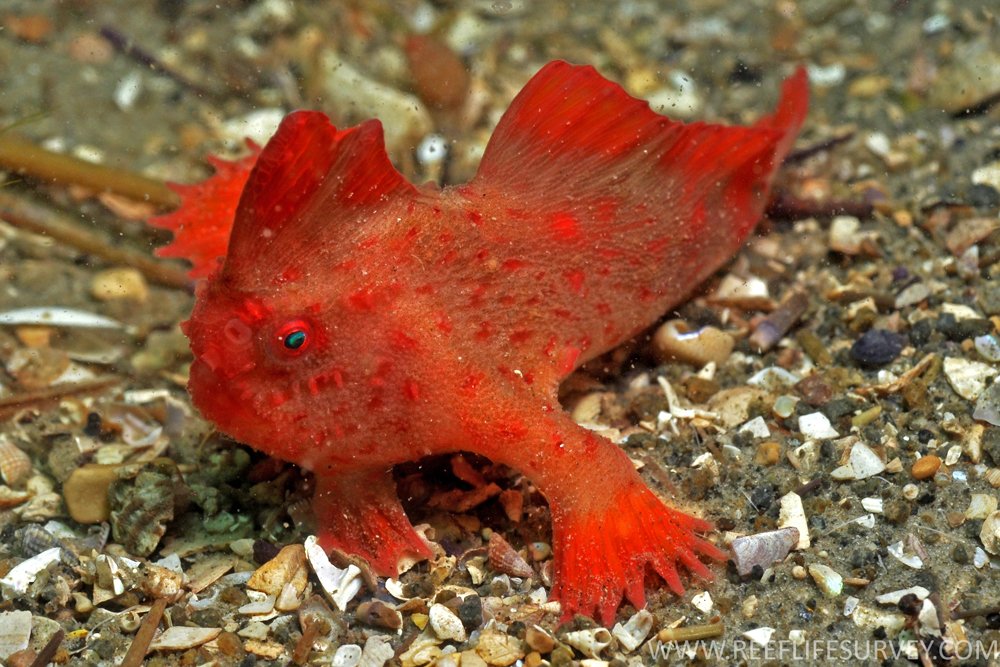
Lifeline given to endangered Red handfish in hot water
In an unprecedented move, scientists in Tasmania rescued 25 critically endangered red handfish, Thymichthys politus, from reefs near Frederick Henry Bay in January 2024 to protect them from a predicted marine heatwave. The fish were relocated to controlled conditions at the University of Tasmania’s Institute for Marine and Antarctic Studies (IMAS), to protect them from warming waters and habitat stress. By May 2024, 22 of the fish were successfully returned to the wild. This strategy highlights the need for urgent climate mitigation, adaptation and habitat protection.
Rick Stuart-Smith / Reef Life Survey. Reproduced under a Creative Commons license.
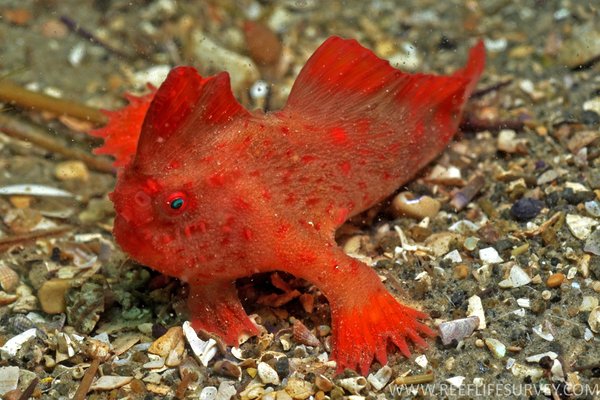
Lifeline given to endangered Red handfish in hot water
In an unprecedented move, scientists in Tasmania rescued 25 critically endangered red handfish, Thymichthys politus, from reefs near Frederick Henry Bay in January 2024 to protect them from a predicted marine heatwave. The fish were relocated to controlled conditions at the University of Tasmania’s Institute for Marine and Antarctic Studies (IMAS), to protect them from warming waters and habitat stress. By May 2024, 22 of the fish were successfully returned to the wild. This strategy highlights the need for urgent climate mitigation, adaptation and habitat protection.
- Rick Stuart-Smith / Reef Life Survey. Reproduced under a Creative Commons license.#220_ThymichthysPolitusRLS
Lifeline given to endangered Red handfish in hot water
In an unprecedented move, scientists in Tasmania rescued 25 critically endangered red handfish, Thymichthys politus, from reefs near Frederick Henry Bay in January 2024 to protect them from a predicted marine heatwave. The fish were relocated to controlled conditions at the University of Tasmania’s Institute for Marine and Antarctic Studies (IMAS), to protect them from warming waters and habitat stress. By May 2024, 22 of the fish were successfully returned to the wild. This strategy highlights the need for urgent climate mitigation, adaptation and habitat protection.
Rick Stuart-Smith / Reef Life Survey. Reproduced under a Creative Commons license.
Impacts of increasing carbon dioxide
Increased emissions of CO2 to the atmosphere are partly absorbed by oceans. This has provided the benefit of slowing climate change, but has also changed the chemistry of ocean waters, increasing the acidity that in turn has negative impacts on marine organisms.
Coastal industries – such as shellfish aquaculture, fisheries, coral reef tourism, fisheries – may experience economic losses as populations of marine organisms are impacted.
READ: What is ocean acidification and its impacts
READ: Impacts: Fisheries and aquaculture