



At a glance
- Sustainable protein: Oysters are highly nutritious and have one of the lowest carbon footprints of any animal protein, requiring no feed and contributing to water filtration and carbon storage.
- Path to carbon neutrality: The NSW oyster industry has a low carbon footprint. Australian oyster farms could achieve carbon-neutral certification by reducing and offsetting emissions, offering benefits like market access and stronger environmental credentials.
- Export matters: A New Zealand study shows shellfish have low emissions overall, but air freight drastically increases their footprint – shipping frozen by sea is most climate-friendly.
- A transition to an even lower carbon footprint could be combined with adaptation planning,

The shellfish industry – opportunities to reduce carbon footprint
Good news for oyster lovers is that the slippery shellfish are not only good for you, they have a host of environmental benefits but can also hit mitigation goals.
As well as being nutritionally rich and high in protein, oysters can be grown without supplementary feeds – getting what they need to grow directly from the water, while also filtering it plus sequestering carbon and their shells can be recycled for reef restoration. They have one of the lowest carbon footprints of any food protein.
A Fisheries Research & Development Corporation (FRDC) project has identified potential for oyster farmers to achieve carbon neutral certification by minimising and offsetting product and supply chain emissions through the Climate Active framework.
Oysters remove, concentrate and store carbon from the surrounding environment to grow their outer shells. They also release carbon into the surrounding water through respiration, shell erosion and by-products of shell calcification. More research on carbon flows and interactions with the surrounding ecosystem is needed to provide an accurate assessment of oysters’ carbon sequestration potential.
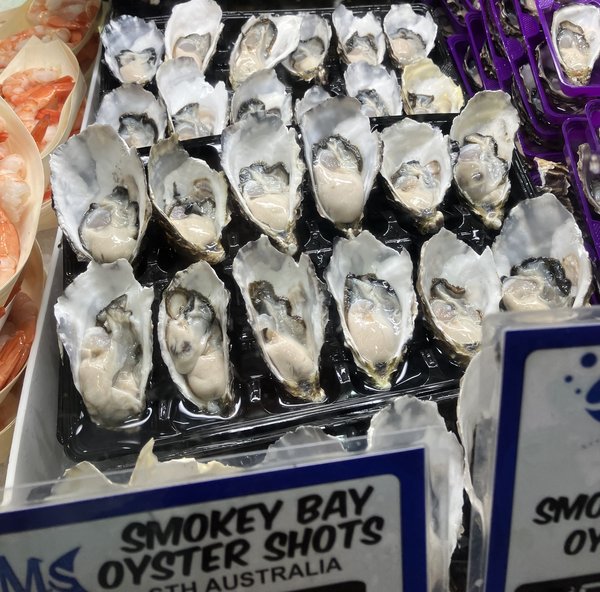
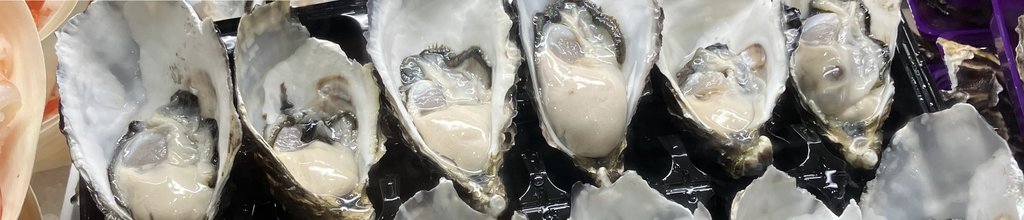
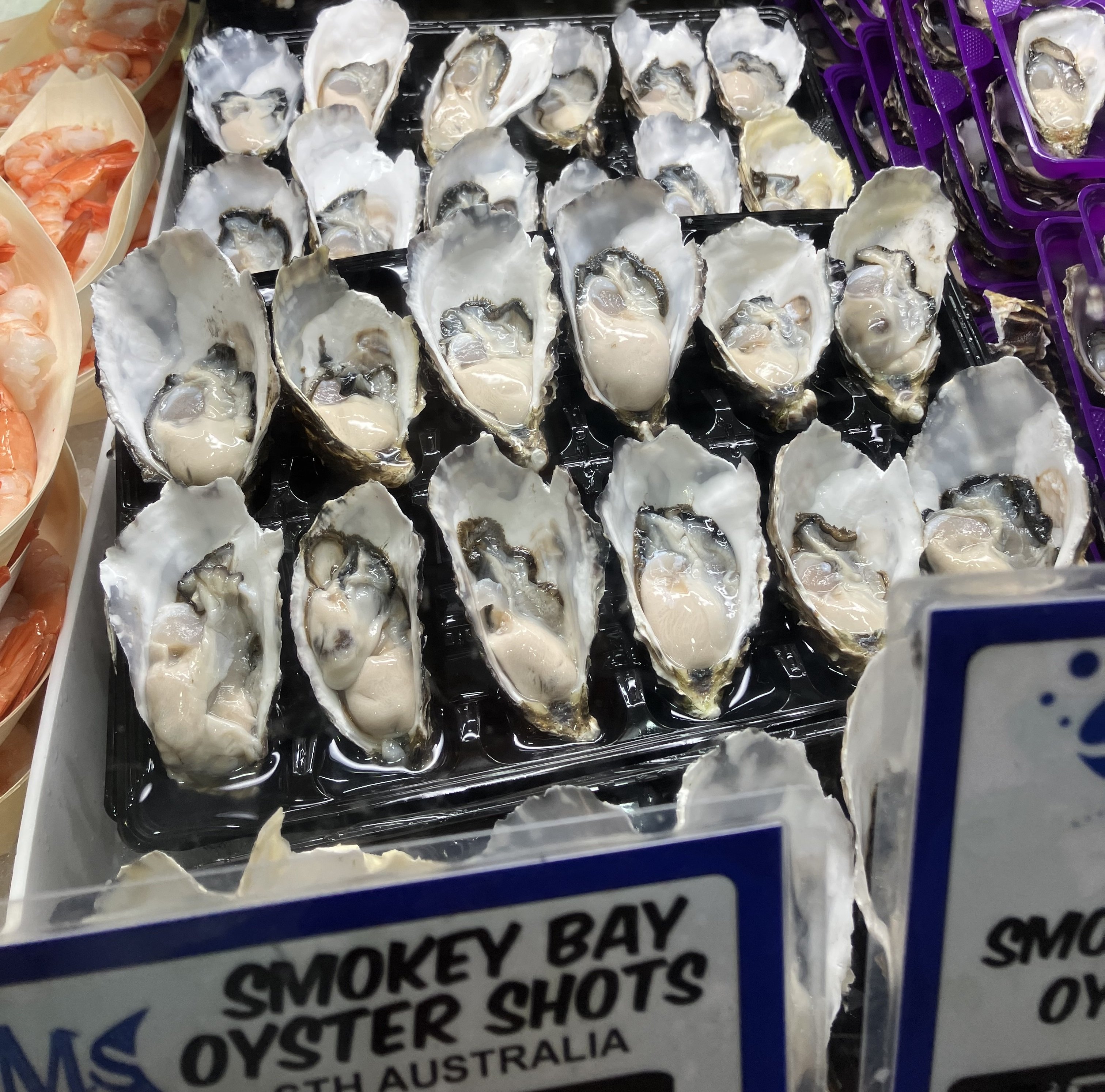
Oysters on display
the social and economic importance of NSW Coastal; Aquaculture from a 2016 evaluation.
Oysters are a low carbon source of protein, but the industry can also make both a social and economic contribution to their communities.
Oyster shells and carbon offsets
Aquaculture projects, including oyster farming, are currently excluded from carbon sequestration methods under Australia’s Emissions Reduction Fund (ERF). However, the ERF prioritises carbon capture and utilisation technologies, including the production of low-carbon versions of construction materials such as concrete. This focus is directly relevant to the oyster industry because recycled oyster shells can be used as an alternative aggregate in concrete, creating opportunities for valuing waste and circular economy benefits.
Benefits to oyster farmers of becoming carbon neutral
The FRDC project identified a number of benefits to oyster farmers of becoming carbon neutral, including the following:
- demonstrate environmental credentials and build social licence
- differentiate product in the marketplace
- product stewardship from cradle-to-gate
- participate in net zero seafood industry targets
- ensure future access to overseas export markets
- protect future operations from risk of emission regulatory reform.
NSW oysters have a very low carbon footprint
Oysters farmed in NSW have been shown to be a source of protein with a very low carbon footprint – even lower than poultry. Working with 31 oyster farms, NSW Farmers Association supported farm-level carbon audits. This emission data was then used to make an industry-wide estimate of carbon emissions.
Key sources of emissions were unleaded fuel (42%), diesel (34%), purchased electricity (19%), transport to market (3%) and LPG (2%). (Note that, unlike NZ shellfish below, transport to market costs are significantly lower).
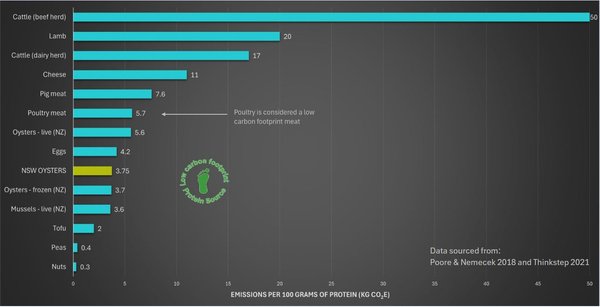
Comparison of carbon emissions from a range of common protein sources
- © NSW Oysters, no date.protein source_NSW
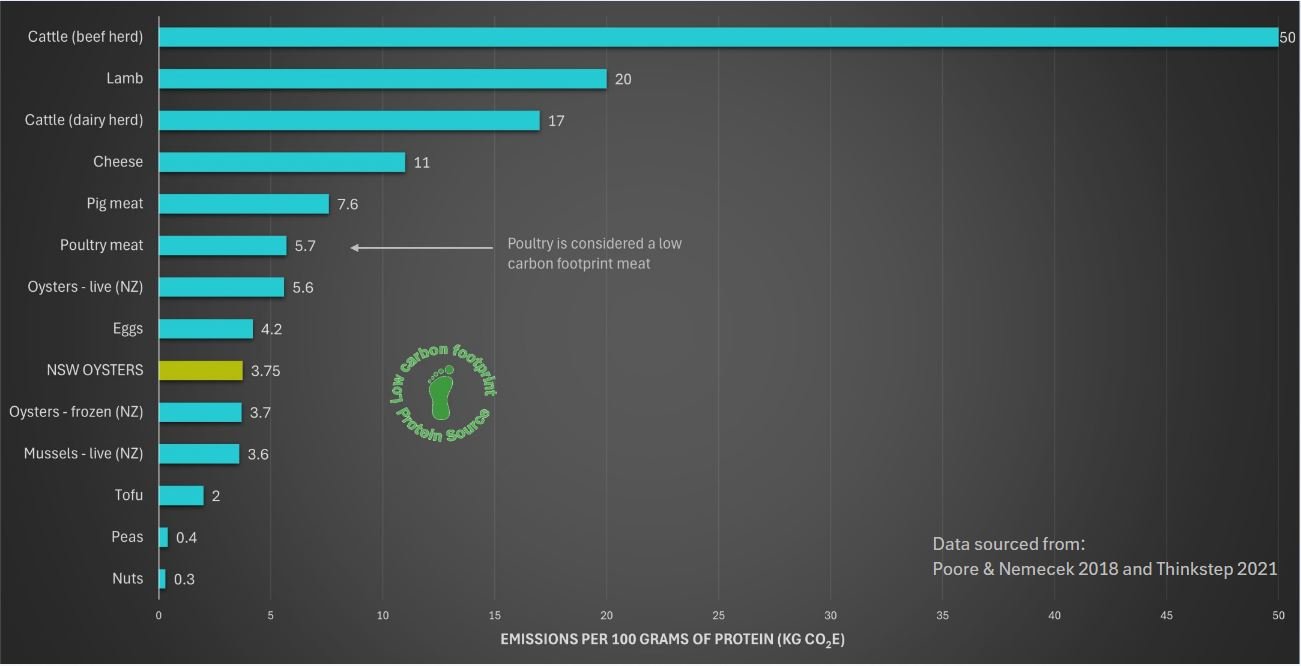
Comparison of carbon emissions from a range of common protein sources
© NSW Oysters, no date.
The report makes several recommendations that can help oyster farmers to reduce their carbon footprint even further.
- Adoption of solar systems: Farmers should leverage government subsidies for solar systems and battery storage to reduce emissions and improve energy resilience.
- Outboard trials: Pilot projects to evaluate the viability of electric outboards, testing their efficiency, range, and practicality for use in oyster farming.
- Life-cycle assessments: Research is required to accurately understand carbon flows within the context of oyster farming, including shell biomineralisation and dissolution.
- Climate Active certification: Given the industry’s low emissions, farmers could explore third-party certification, while engaging with Climate Active to investigate the feasibility of sector-wide certification.
Climate adaptation could be combined with these activities. For example, monitoring of shell biomineralisation as a way to monitor acidification
A life-cycle assessment of NZ mussels and oysters
A related study in New Zealand also showed that farmed mussels and oysters have among the lowest carbon footprints of all animal proteins.
The lifecycle assessment, commissioned by Aquaculture New Zealand and the NZ Ministry for Primary Industries, included the carbon footprint of farmed mussels and oysters over their entire lifecycles; the impact of producing shellfish compared with other dietary proteins; and the impact of exporting live products.
The analysis covered the carbon footprint of shellfish farming, harvesting, processing, packaging, chilled distribution to domestic retail, preparing, consumption and disposal of used shells and packaging.
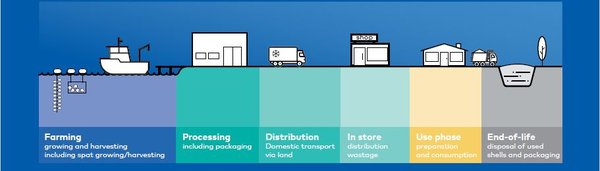
The carbon footprint of shellfish farming includes harvesting, processing, packaging, chilled distribution to domestic retail, preparing, consumption, and disposal of used shells and packaging. All were included in this analysis.
- © Thinkstep NZ.shellfish life cycle
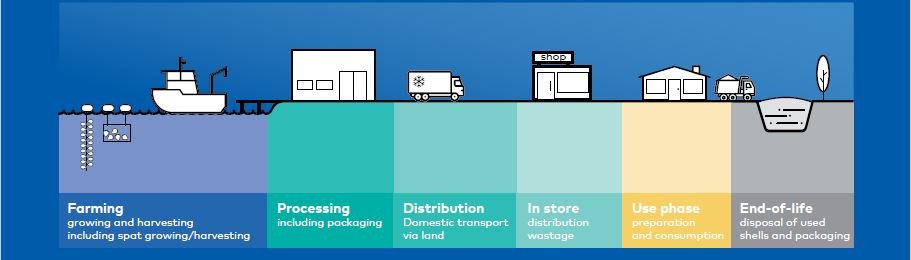
The carbon footprint of shellfish farming includes harvesting, processing, packaging, chilled distribution to domestic retail, preparing, consumption, and disposal of used shells and packaging. All were included in this analysis.
© Thinkstep NZ.
The impact of mussels and oysters (from farming to domestic retail) is lower than producing all other forms of animal protein (from land animals, farmed fish and farmed crustaceans). They have a similar carbon footprint to tofu.
The study also showed that the carbon footprint across the entire lifecycle depends on the end product – frozen half shell, live or preserved meat. Most shellfish exported from New Zealand are sent as frozen product by sea freight, which only adds a relatively small amount to the total carbon footprint. However, if the oysters and mussels are transported by air, this accounts for more than 70% of their overall carbon footprint.
The report made several recommendations to reduce carbon footprint, including:
- Use vehicles (barges and trucks) more efficiently and convert them to run on low-carbon renewable energy sources, such as electricity, biodiesel or hydrogen
- Switch from burning fossil fuels for thermal energy in processing facilities to low-carbon renewable energy sources, such as biomass or electric boilers
- Further analyse plastic use in the industry, especially for ocean-contact plastics
- Seek ways to reuse production waste, particularly organic waste
- Reduce the amount of packaging used and/or use reusable packaging
- Encourage air cargo operators to explore low-carbon fuel alternatives
- Increase the share of the domestic and regional live product markets, as air freighting fresh product over long distances has a large carbon footprint
- Expand the frozen export market, as exporting frozen product in cargo ships has a low carbon footprint, even over long distances.
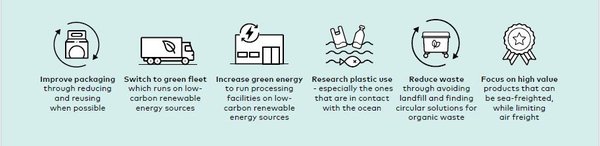
Several recommendations show how the carbon footprint of New Zealand mussels and oysters could be improved.
Recommendations for shellfish footprint
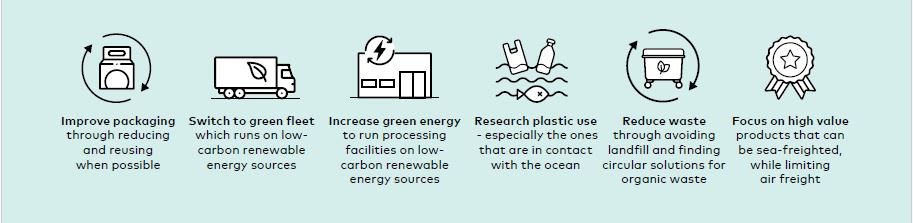
Several recommendations show how the carbon footprint of New Zealand mussels and oysters could be improved.
To cite:
This case study was prepared by NCCARF. Please cite as: NCCARF, 2025: Feeding climate goals: oyster aquaculture has potential for low impact protein. Case study for CoastAdapt, National Climate Change Adaptation Research Facility, Griffith University, Gold Coast.