



At a glance
- Using digital technology to adapt to climate change, Tuvalu is safeguarding national sovereignty, governance and cultural identity , by creating a digital twin of its land, institutions and heritage.
- This challenges conventional ideas of nationhood and adaptation, raising important questions about how identity, community and statehood can persist under extreme climate impacts, and offering a precedent for other highly vulnerable island nations.
Tuvalu takes charge of its future through technology
With a land mass of just 26 km2 with its highest elevation less than 5 m, the tiny nation of Tuvalu is highly vulnerable to sea level rise as well as other extreme events. In efforts to to safeguard its sovereignty and identity into the future, the Tuvalu government is developing a digital twin. The project was unveiled at COP27 in 2022 by Tuvalu Minister Simon Kofe.
As well as developing digital capacity, this project is also prompting more philosophical questions about culture, heritage and community connection and how these continue to exist, be maintained and grow as the land mass shrinks.
“Our hope is that we have a digital nation that exists alongside our physical territory, but in the event that we lose our physical territory, we will have a digital nation that is functioning well and is recognized by the world as the representative of Tuvalu.”
Simon Kofe, Tuvalu’s Minister of Justice, Communication, and Foreign Affairs.
the video of how Tuvalu is planning to preserve its small nation - and the questions this prompts about nationhood - as it experiences loss of land to the sea.
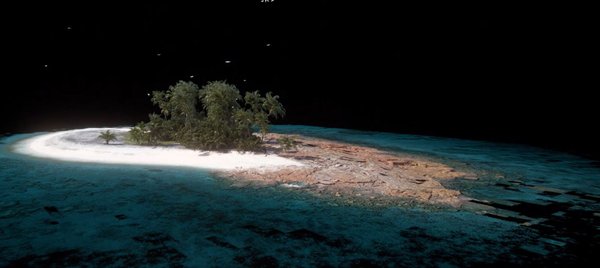
Digital twin raises questions of what makes a nation
- @https://www.tuvalu.tv/Tuvalu digital
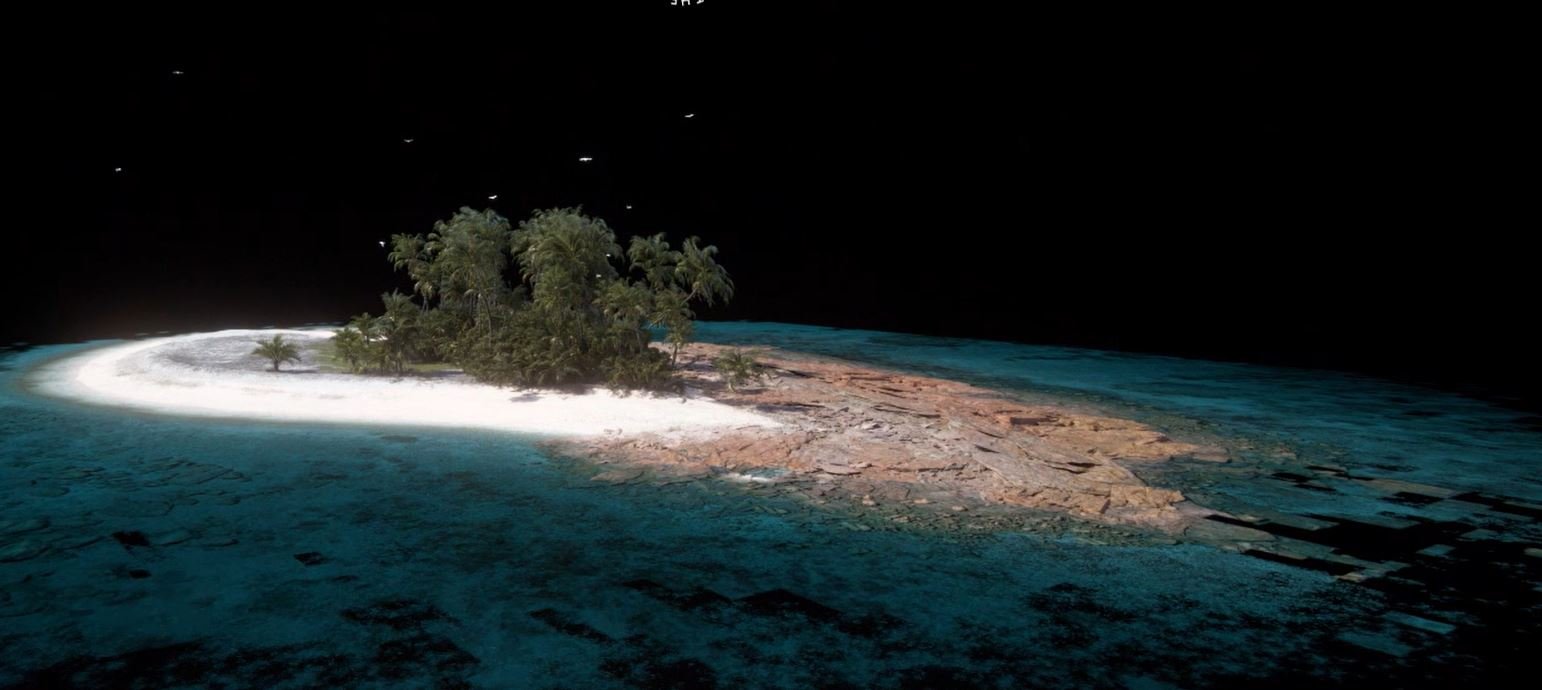
Digital twin raises questions of what makes a nation
@https://www.tuvalu.tv/
Taking stock of physical and virtual assets
The aim of creating a digital twin is so that future generations can experience a virtual version of their homeland.
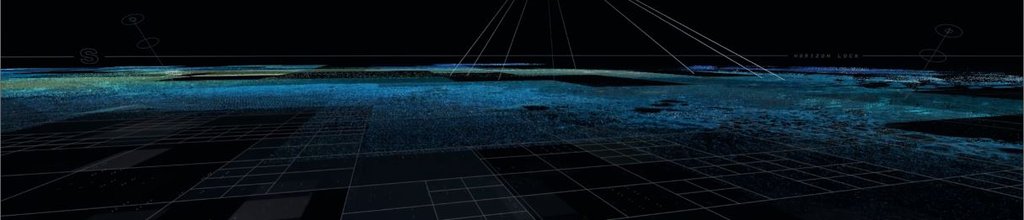
The project has involved comprehensive data collection and mapping of the physical geography of the islands including infrastructure and landmarks to create 3D models.
The virtual environment also digitally captures the nation's cultural heritage and legal rights. The digital nation includes legal frameworks, such as blockchain-based digital passports, which ensure that the country’s governance can continue even if the physical islands become uninhabitable. The digital twin also encapsulates cultural, historical, and governance records.
Tuvalu’s government has emphasized that the project is about preserving the soul of the nation, including intangible aspects like culture and community governance. This digital backup of Tuvalu could become a legal proxy, helping the country maintain its sovereignty even if the land disappears
To cite:
This case study was prepared by NCCARF. Please cite as: NCCARF, 2024: What happens to a country without land? Tuvalu becomes the first digital nation. Case study for CoastAdapt, National Climate Change Adaptation Research Facility, Griffith University, Gold Coast.