



At a glance
- Three major flood events across coastal NSW in 2021–2022 left thousands of hazardous items, including chemicals, gas cylinders, and shipping containers, posing environmental and safety risks.
- The EPA coordinated a response using specialist contractors, aerial and underwater surveys, and digital mapping tools to locate, prioritize, and remove debris from waterways and land.
- Over 24 km of debris was cleared across 30 local government areas, including 143 submerged hazards and nearly 1500 tonnes of land-based waste; partnerships ensured safe handling of chemical containers and improved contractor safety.
- As a result of this project, there is now a resource toolkit and digital database to streamline future flood cleanups and identified opportunities for landholder education to reduce debris in future events.

A series of flooding storms – and a wash of debris in the Northern Rivers of NSW
More frequent extreme storms and major flooding events are projected impacts of climate change, and may lead to increased flooding and potential contamination of coastal waterways.
In New South Wales, severe storms in March 2021 resulting in widespread flooding across swathes of the state’s coastal regions. The flooding impacted areas from the Queensland border down to the Hawkesbury River just north of Sydney. One year later, in February–March 2022, another deluge inundated the same areas again, with some areas even more severely affected. In June–July 2022, a third extreme rainfall event once again flooded much of coastal NSW including parts of the south coast.
During the floods, thousands of items were swept away by the floodwaters. Natural items such as large trees and livestock, and manufactured items including water tanks, gas cylinders, shipping containers and caravans, were carried up to tens of kilometres from their source.
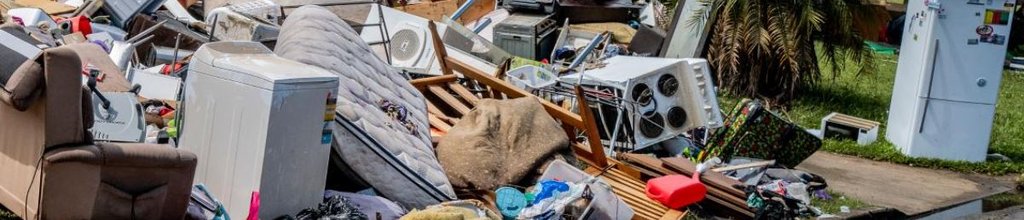
When the flooding receded, tonnes of debris, some of it potentially dangerous, was left strewn across the landscape and in river channels. Large, submerged items in rivers posed a significant navigation risk for watercraft, and there were several reported collisions between boats and hidden objects. Numerous containers of chemicals, typically agrochemicals such as pesticides and herbicides, were scattered by the floods and posing a growing spill risk if not quickly removed.
about an example of a post flood clean up, the Flood Debris Maintenance Program, which was extended to support the clean-up of eligible flood debris from the 2022 floods in the Northern Rivers.
As the scale of the cleanup required was expected to overwhelm the capacity of local councils, the NSW Environment Protection Agency (EPA) received special funding to run the cleanup operation across all affected areas of the state. A series of programmes, co-funded equally by the NSW and Commonwealth governments under disaster recovery funding arrangements, were launched to remove debris from river channels, riverbanks, beaches, and surrounding public and private land. The EPA team engaged and oversaw tens of specialist contractors state-wide to undertake the cleanup.
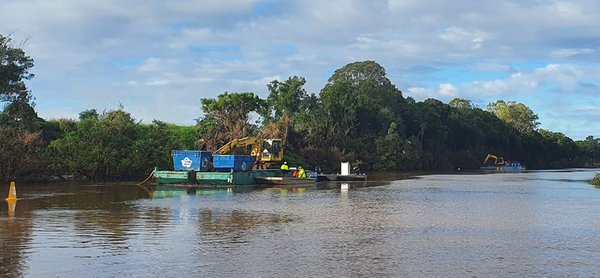
The EPA, working with specialist contractors, used various technologies to locate, map, and prioritize the removal of hazardous debris.
- Source: NSW EPA.river clean up_image
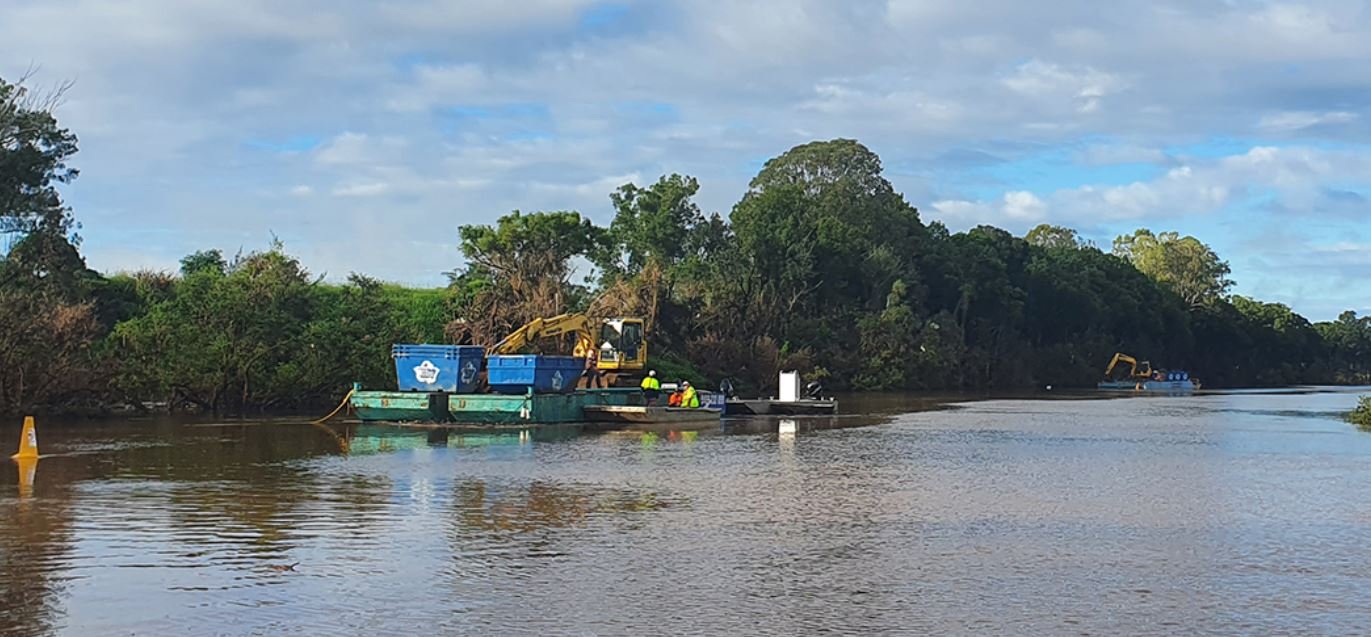
The EPA, working with specialist contractors, used various technologies to locate, map, and prioritize the removal of hazardous debris.
Source: NSW EPA.
After the floods, the NSW Department of Climate Change, Energy, the Environment and Water, a launched a water quality monitoring program covering several flood-affected waterways. The project aimed to support waterway recovery by collecting water quality data. Project aims included establishing baseline data to improve community and local government understanding of flood-affected water quality and recovery time frames, and identifying potential pollution sources.
the dashboard for changes in water quality in flood affected areas in NSW coast on the Flood Recovery Program for Water Quality Monitoring - East Coast Project.
Documenting debris
The flooding was so extensive that objects as large as shipping containers were swept into NSW river systems. These containers were a high priority for recovery due to the high likelihood they contained agricultural chemicals and their potential to pose major navigational hazards to river craft when submerged. Their size and weight made them among the most difficult, hazardous, and expensive items to remove. Ultimately, more than 25 shipping containers were retrieved during the cleanup program.
One of the largest single items recovered was a Return and Earn container deposit machine that was washed from a Murwillumbah carpark into the Tweed River and carried several kilometres downstream during the early 2022 floods. Despite its size, the first challenge was to locate the submerged machine. Once its location was reported after being struck by a boat, the salvage crews could initiate its recovery. Dive teams used large flotation devices to raise the object to the surface. It was then floated to the nearest point along the riverbank accessible to a crane large enough to lift it onto the back of a truck to be transported for recycling.
To locate and prioritise debris recovery from the environment, aerial surveys by aeroplane and drone were initially conducted. In later flooding events, the EPA team used Surf Life Saving NSW’s spare capacity of drone operators and equipment to survey river systems for debris. The team increasingly used technology such as sonar to locate potentially dangerous submerged items in river systems.
Cool partners: post flood, Surf Life Saving NSW has used their spare capacity of drone operators and equipment to survey river systems for debris.
A digital data collection and processing platform called Fulcrum, which included an online phone or tablet app for contractors to use out in the field, was used to document and log the location of each flood debris item found.
For submerged items, the team used divers or underwater drones to establish each item’s eligibility for recovery. As the EPA’s funding was specifically allocated to remove debris from the 2021 and 2022 floods, the team used techniques such as assessing algal growth on submerged objects to establish how long it had been in the water, before the item could be removed. By the end of this programme, 143 submerged debris items assessed as posing a hazard to human or environmental health had been removed.
Recovered items from land and waterways were assessed for their potential to be reused or recycled. Large water tanks, some up to 20,000 L in capacity, were a bulky type of item type commonly found in rivers after the floods. Due to their exposure to contaminated floodwaters, recovered water tanks were unsuitable for reuse and had to be disposed of.
However, other commonly encountered items could be reused. EPA contractors removed hundreds of gas cylinders from the environment. Many were intact and undamaged and could be returned to a gas cylinder refill company to be refurbished and returned to the market.
As well as removing immediately hazardous items, the bulk of the cleanup involved collecting plastic, metal and treated timber waste caught in the vegetation along riverbanks, which posed a threat to natural ecosystems.
how the flood and cleanup unfolded in NSW through the storymaps from the floods
Work health and safety
A key priority for debris identification and removal were containers of chemicals, such as pesticides, which had the potential for leakage and environmental contamination. The EPA teamed up with Fire and Rescue NSW, who made chemical containers safe for removal prior to the arrival of cleanup contractors.
Given the scale of the flooding, managing numerous contractors working up and down coastal NSW was a key challenge for the EPA. At any one time, around 75 contractors might be engaged in the clean-up across the state. A critical concern was managing contract worker safety, given the dangerous and difficult nature of some of the work. For example, specialist diving contractors had to use underwater chainsaws in zero visibility water to remove submerged trees washed into rivers that posed a collision hazard to boats.
From the start of the cleanup, the EPA team prioritised frequent site visits, with team members on boats supervising recovery work, to ensure that the necessary safety systems and processes were in place and being adhered to by contractors. This emphasis on workplace health and safety from the project's inception was credited with establishing a strong safety culture throughout the project. The most serious safety incident recorded was a contractor stepping on a nail.
Continual learning
The 2021–2022 flood cleanups were the first such project that the NSW EPA had ever undertaken at this scale. In total, 24,438 m3 of flood debris was removed from the waterways, beaches and shorelines of rivers across 30 NSW local government areas.
For land-based flood clean-up work that targeted debris away from riverbanks and inaccessible by waterways cleanup teams, programmes were initially undertaken on public land. These programmes were gradually expanded as the need became apparent. In the weeks after the flood, it became clear that private landholders also needed support to remove large or potentially hazardous debris that had washed onto their property. The EPA partnered with Service New South Wales to put an application form on their website, for private property owners to have cleaned up the debris that had washed onto their properties.
It subsequently became apparent that a third phase of land clean-up was necessary, specifically targeted at cane farms in the north of the state. Sugar cane farmers burn the cane before harvest, which posed a potential risk given the many chemical containers and gas cylinders washed onto farmland by floodwaters. The EPA worked with Fire and Rescue New South Wales drone operators to conduct aerial surveys and identify hazardous debris for removal. Over 160 tonnes of waste was collected from cane farms, and nearly 1500 tonnes of waste was cleared from the land in total.
During the flood recovery programme, NSW EPA developed a resource toolkit to support future NSW EPA-led flood cleanup programmes to swing into action more quickly. This approach included the use of its digital database of debris location information to identify debris accumulation hotspots, which future cleanup crews can use to guide initial cleanup efforts.
The toolbox also includes information and resources to expedite the procurement process that the EPA as a government agency must follow when engaging contractors for clean-up work.
Although not funded within the EPA’s flood recovery clean-up project, the next phase of work could involve educational programmes for councils and landholders. These programmes could be designed to guide behaviour change, to reduce the number of items that floodwaters can pick up and carry away during future flooding events, thereby reducing flood debris.
Considering the three flood events across 2021 and 2022, the types of debris collected suggests that it is possible to encourage change in landholder practices. For example, during the first flood, a high number of plastic-wrapped silage bales were washed from farmland into rivers. The loss of the bales – a fodder for livestock during dry periods – was a significant cost to farmers, and a major cleanup task to collect all the plastic wrapping. In later floods, many farmers appeared to have relocated their silage to less flood prone parts of their property, with a much lower volume of silage bales recorded in the flood debris.
To cite:
This case study was prepared by NCCARF.
Please cite as: NCCARF, 2024: Removing hazardous waster from waterways after major NSW floods. Case study for CoastAdapt, National Climate Change Adaptation Research Facility, Griffith University, Gold Coast.