


At a glance
Flood Re is a 25-year collaboration between the UK Government and the insurance industry.
The Flood Re scheme is transitional and designed to promote available and affordable home insurance for those UK homes at risk of flooding; and also to enable the insurance market to move to more risk-reflective pricing for home insurance for households.
Flood Re is funded by an industry-wide levy on all domestic property insurance policies in the UK.
The need to transition flood insurace
Major floods in the UK since early 2000s led to high insurance claims and left many residential properties either uninsurable or too expensive to insure. In response, the UK government worked with the insurance industry to set up Flood Re, a scheme that enables insurers to offer competitive premiums and lower excesses to high flood risk homes across the UK.
It has two statutory objectives:
- To promote available and affordable home insurance for those UK homes at risk of flooding
- To manage the insurance market’s transition to risk reflective pricing by 2039
In operation since April 2016, Flood Re – the first scheme of its kind globally – sets up a non-profit pool to provide reinsurance for the flood risk element of insurance policies for those households deemed at high risk of flooding.
The scheme aims to prevent a market failure for domestic property insurance in certain areas by allowing insurers to transfer the highest flood risk elements to the pool at a set premium.
The scheme is transitional and is expected to be in place until 2039. At the end of this period, insurers should be able to price flood insurance depending on risk but at affordable levels.
It is funded by an industry-wide levy on all domestic property insurance policies in the UK. It is run and financed by insurers.
The scheme does not cover properties built since 2009: this aims to avoid incentivising unwise building in known high flood risk areas. It also does not cover flats in leasehold blocks of four or more homes. It also does not cover businesses.
Flood Re: How it works for households
Householders experience insurance in the same way. They do not interact directly with Flood Re: they buy their insurance from insurers or insurance brokers. When they make a claim because of a flood, their claim and repairs etc are managed by their insurer.
The difference is for insurers. When the flood risk coverage section of a household insurance policy rises above a certain level, the insurer can choose to place that part of the policy with Flood Re. If the household makes a claim, the insurer can recover those costs from Flood Re.
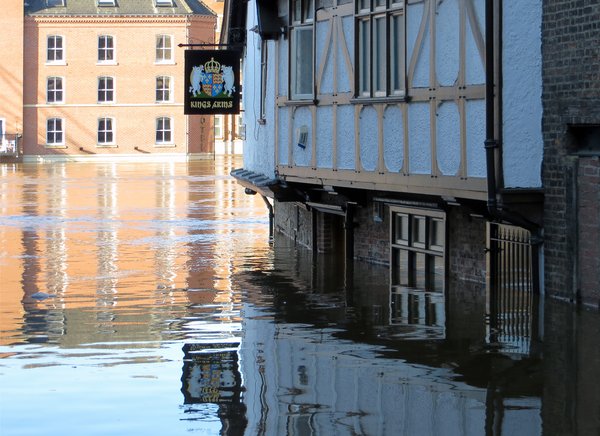
AdobeStock_UK_46493419
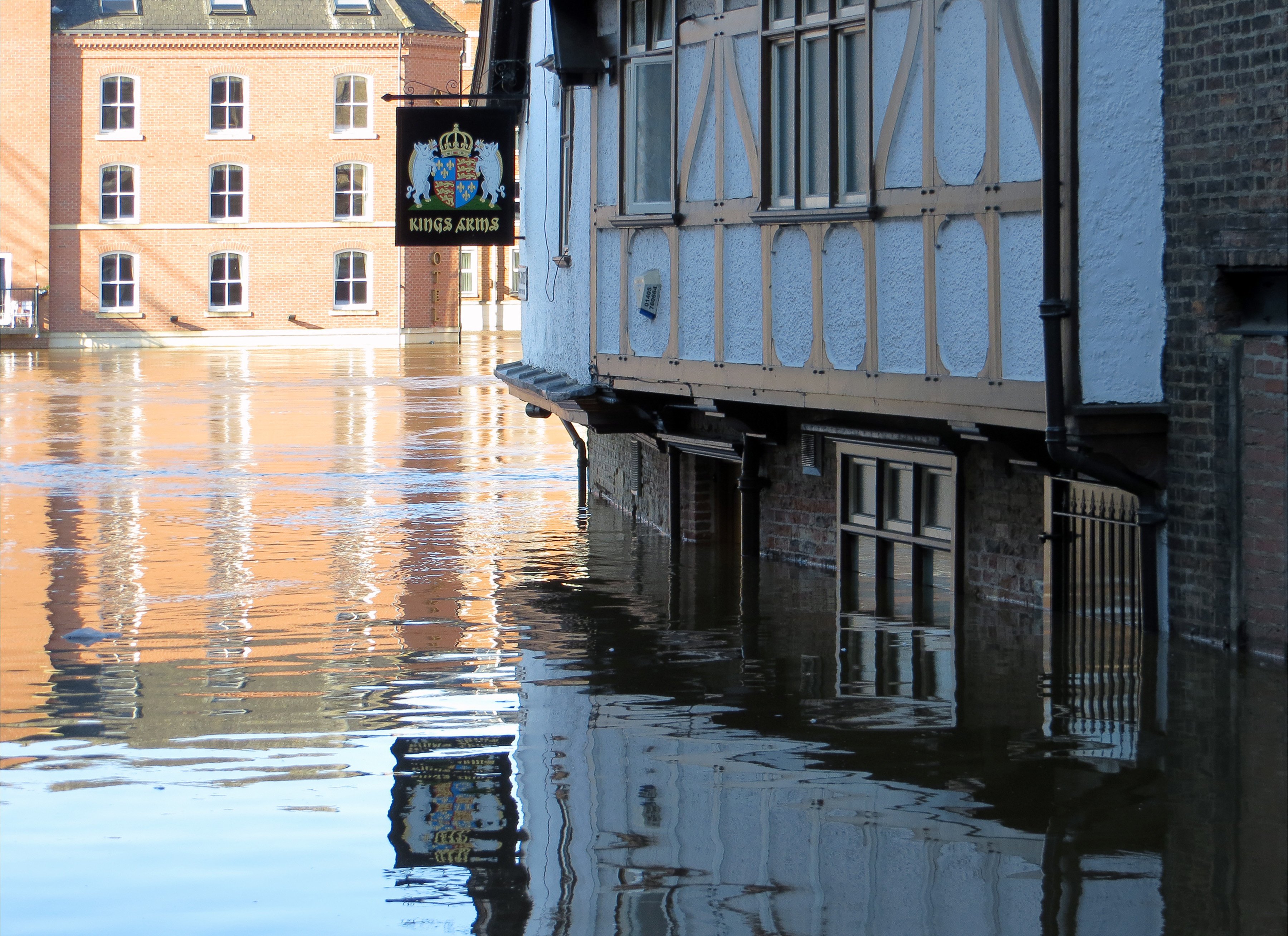
With Flood Re in the UK, householders experience insurance in the same way as in Australia: the different with this scheme is the way it works for insurers.
© AdobeStock_UK_46493419
Reviewing and learning helps to adapt the scheme
Since the first of the mandatory five-year reviews in 2019 (the quinquennial review or QQR1), Flood Re has had the power ‘to reimburse insurers for costs relating to “Build Back Better” [build back better], being claims which include an amount for PFR [property flood risk] repairs’. Since the QQR1, BBB has been set at a value of £10,000 above the cost of like-for-like reinstatement. It is now offered by more than 70% of the household insurance market and, in recent UK floods events, was used by 30% of flooded households. QQR2 recommends an increase to £15,000 and aims to normalise BBB in the insurance market and to encourage proactive PFR repairs during DIY (Flood Re 2024).
QQR2 also recommends several adjustments to the scheme to ensure its sustainability. These include: future adjustments to the Loss Limit, and increased cap on annual spending, and an expansion of Flood Re’s investment options should be increased and Flood Re’s investment options expanded to ensure its capital is ‘deliberately and purposefully put to work’.
Overall, QQR2 reports that: ‘Flood Re is pleased with the success of the Scheme to this point and the positive impact it has had on significantly improving the availability and affordability of home insurance for people living in high flood risk areas. Independent research [market data survey] commissioned routinely by Flood Re demonstrates its continued positive impact on the market’ (Flood Re 2024).
It is considered to be delivering on its availability and affordability goal, with:
- 94% of the home insurance market, through 85 brands, provide Flood Re-based policies
- 288,567 policies ceded to the Scheme in the past financial year
- Since 2016, more than half a million homes have benefited from a Flood Re backed policy through a subsidised reduction in premium and a stable, low excess on the flood-related portion of their policy.
In terms of its goal to transition the household flood insurance market to risk-reflective pricing, Flood Re is working on a number of strategies to sustaining the success and viability of the Scheme, especially in light of increased understanding of future climate change impacts. These, reports QQR2, are being challenged by increased inflation, and changes to the global reinsurance markets
Further reading
- Association of British Insurers: Flood Re explained. Accessed 19 August 2024. [Available online at https://www.abi.org.uk/Insurance-and-savings/ Topics-and-issues/Flood-Re/Flood-Re-explained].
- Horn, D., 2014: After the flood: Finding ways to insure the uninsurable without breaking the bank. The Conversation, 18 February, 2014. Accessed 29 May 2017. [Available online at https://theconversation. com/after-the-flood-finding-ways-to-insure-theuninsurable-without-breaking-the-bank-23110].
- The Flood Re website: http://www.floodre.co.uk/ industry/ (accessed 29 May 2017).