



At a glance
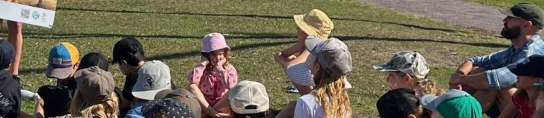
- Forty students aged 5-10 years met the project team on site to share their thoughts and describe what they notice about the area, what they do and don’t like, and how it could be improved.
- Key lessons include the importance of short, sharp consultation and the opportunity to stand in the spaces being discussed, as well as providing follow up opportunities for more detailed input for those that don’t want to speak in the group.
The need to engage youth
Byron Shire Council is developing concept plans for an upgraded Main Beach foreshore which regularly experiences severe coastal erosion events and is highly susceptible to storm events. Broad community consultation was undertaken in June-July 2024 in the form of pop-up information sessions, market stalls and online surveys, but the project team recognised the importance of youth engagement in the discussions and looked for an opportunity for targeted consultation with children.
The project team connected with the local primary school, who arranged for forty students aged 5 – 10 years old to attend an on-site design workshop to seek their feedback on draft concept plans, obtain insights into future uses in the space and seek input on playspace and other recreation elements.
Big ideas from small groups of small people
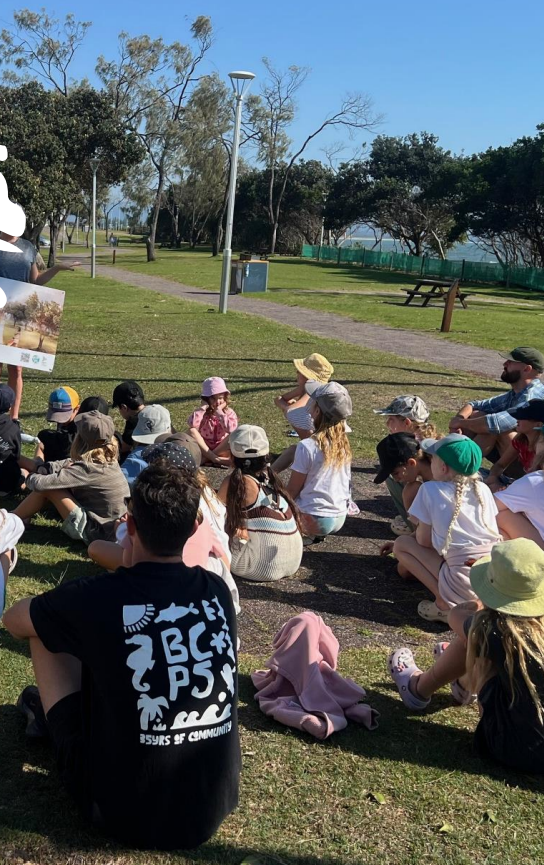
Students from local primary schools get a say in the future foreshore.
- © Byron Shire CouncilByron youth consult
Students from local primary schools get a say in the future foreshore.
© Byron Shire Council
The project team had renders of concept images printed up on large (A0) corflute signs which were placed in location at intervals along the foreshore reserve, approximately 1km long. Students were broken into small groups (approximately 10 per group) and asked in each location to observe what they:
- notice about their surroundings
- think about whether this place changes over time e.g. tides, seasons, storms
- like about this place
- think would make this place better
Students then viewed concept images and held open group discussions about what was shown, before ranking features by importance – staff called out a proposed feature, and students created a ‘human scale’ by standing to the far left for ‘very important’, the far right for ‘very unimportant; or anywhere in between.
The project team captured feedback, data and comments throughout each activity and summarised key points back to the group to check in they were correct.
Classroom follow-up
Teachers suggested a follow up activity back in the classroom where students were given an opportunity to draw their ideas, which were then provided to the project team as additional feedback.
Key lessons from the process include:
- quick, short, sharp consultation works best – little people have short attention spans
- on site was effective so we could discuss and look at spaces directly
- make engagement positive (e.g. “you get to have a say in the future of this area”)
- include activities to move (e.g. walking between spaces, create a human scale for students to place themselves along)
- provide follow up opportunities for more detailed / other styles of input e.g. drawing.
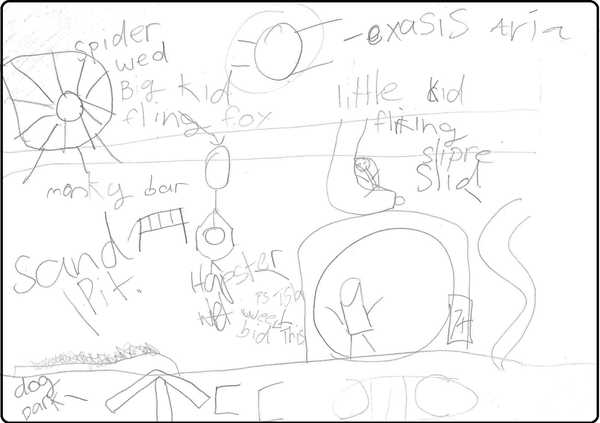
A child's ideas about how they saw the new foreshore area.
Byron youth consult
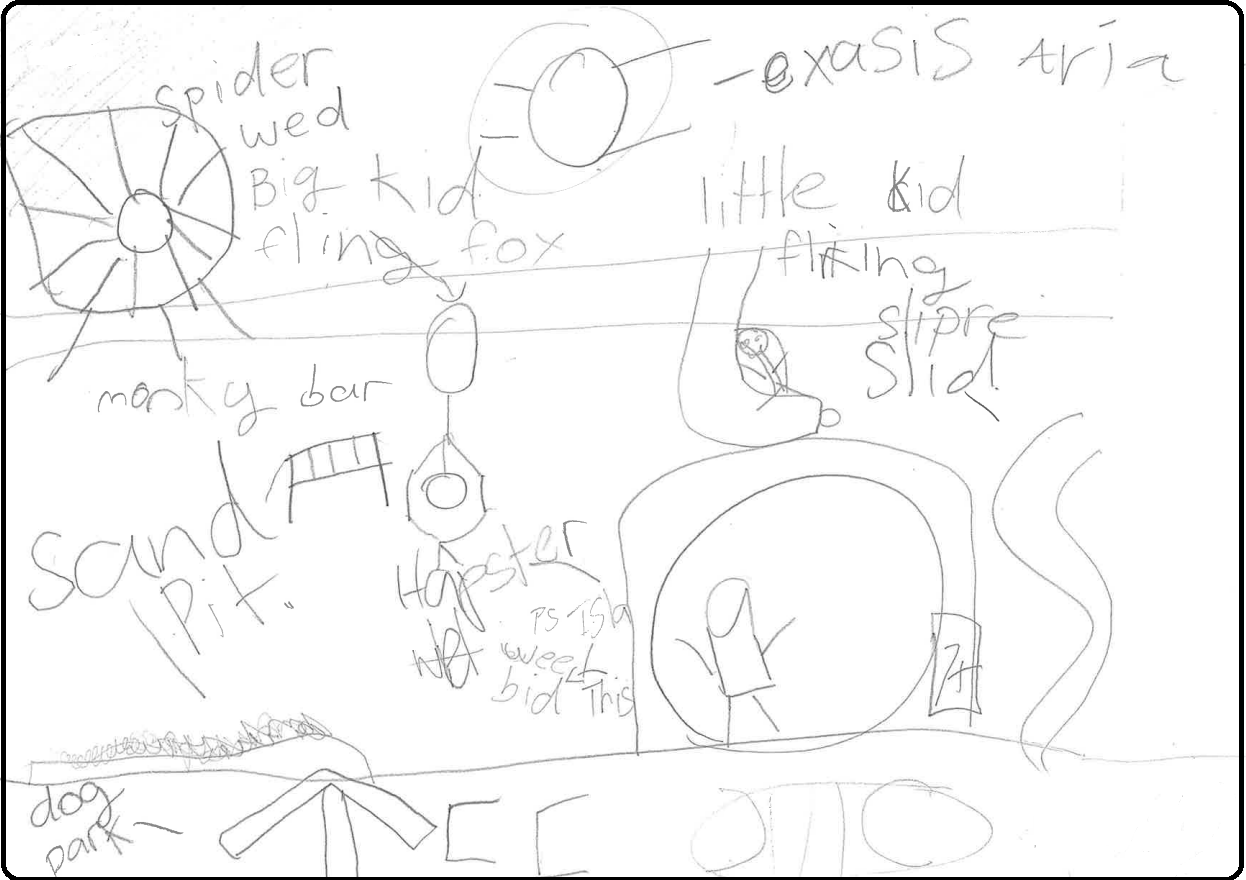
A child's ideas about how they saw the new foreshore area.
To cite:
This case study was prepared by Claire McGarry, Byron Shire Council. Please cite as: McGarry, C, 2024: Designing coastal changes with primary students. Case study for CoastAdapt, National Climate Change Adaptation Research Facility, Griffith University, Gold Coast.