


At a glance
- Coastal risks from inundation and erosion are increasing and require proactive, long‑term planning rather than fixed, one-off solutions.
- Five adaptation approaches – avoidance, managed retreat, accommodation, hold the line and loss acceptance – provide a practical framework for decision‑making.
- All adaptation options have limits, making it essential to identify thresholds and plan for residual risk.
- Most communities will need to transition between approaches over time using adaptation pathways, including transformational change where necessary.
- Adaptation options should be considered within core business activities and existing management plans (e.g. coastal zone management and organisational risk plans) to ensure alignment with organisational goals.

Adaptation approaches for coastal climate risks
Coastal areas are increasingly exposed to inundation and erosion risks driven by sea-level rise, changing storm patterns, and evolving wind and wave conditions. These risks are expected to intensify and interact with existing pressures such as population growth, ageing infrastructure, environmental degradation, and competing land uses.
In response, local councils, infrastructure owners and coastal businesses are undertaking adaptation planning to manage both current exposure and future risk. This context highlights the need for structured coastal adaptation approaches that support decision-making over time.
Effective coastal adaptation recognises that there is rarely a single or permanent solution. Instead, a range of options should be considered and tested against factors such as risk level and timing, decision triggers, funding and organisational capacity, and community values. This supports informed and flexible decision-making in the face of uncertainty and changing conditions.
Coastal adaptation responses can be grouped into five broad types: avoidance, managed retreat, accommodation, protection (hold the line), and loss acceptance. These approaches provide a practical framework for managing risk; from preventing new exposure to accepting residual impacts where intervention is no longer viable or appropriate.
Within each approach, a range of specific adaptation options can be identified, which can be combined and sequenced over time as part of long-term adaptive coastal management.
The need for continuous engagement
Community engagement is essential across all adaptation approaches, as coastal risks and trade-offs affect people differently. Involving communities early and throughout the process helps build trust, ensure decisions reflect local values, and support the effective implementation of adaptation actions over time.
drawing a road
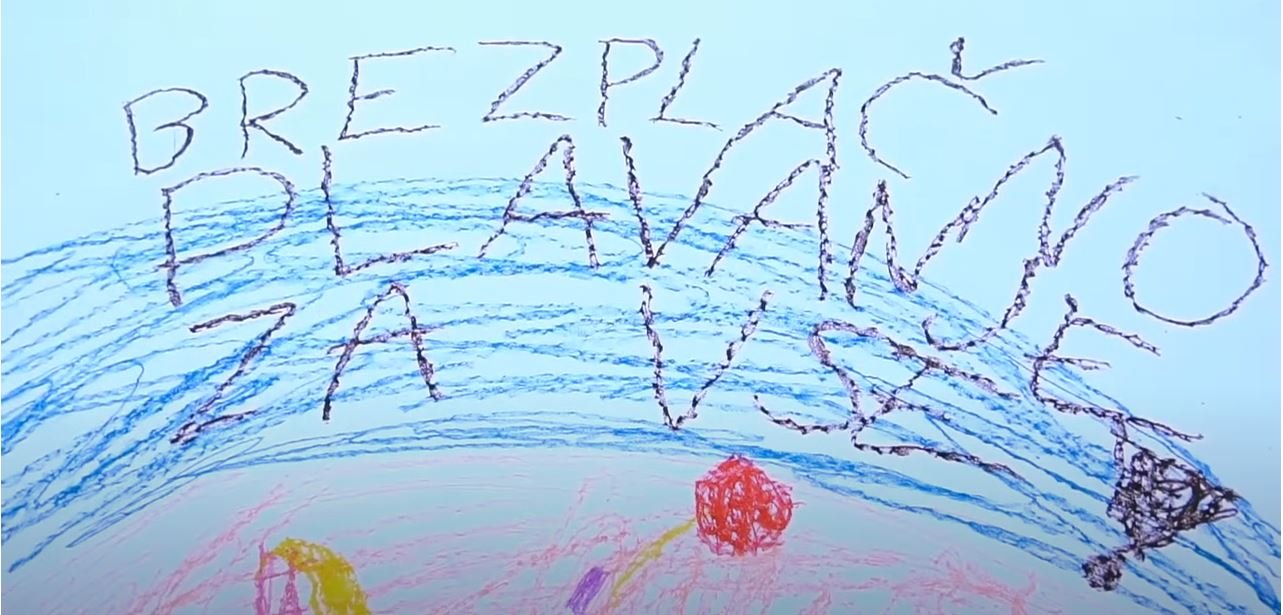
a CoastAdapt case study about how the community was engaged in reimaging the coast when retreating a road in Slovenia.
a CoastAdapt case study about how the community was engaged in reimaging the coast when retreating a road in Slovenia.
drawing a road
a CoastAdapt case study about how the community was engaged in reimaging the coast when retreating a road in Slovenia.
Adaptation approaches range from incremental to transformational
The five adaptation approaches can be broadly understood along a spectrum from incremental adaptation (which seeks to maintain existing land uses and assets through accommodation or protection) to transformational adaptation (which involves fundamental changes in where and how people live, use and invest in coastal areas).
Managed retreat, and in some cases, loss acceptance, are increasingly recognised as transformational approaches, particularly in locations where in‑situ options are no longer sufficient to manage rising risks.
Most coastal communities will require a combination of adaptation approaches over time; while many will need to transition between them over time using an adaptation pathways approach. Adaptation pathways provide a structured framework for sequencing decisions over time in response to changing risks, uncertainties, and thresholds.
It is no longer realistic to rely on a single, static strategy for long term coastal risk management. Instead, adaptive, flexible, and staged responses are required to manage evolving coastal risks effectively
- taking minimal action in What's the least I can do?
- what is maladaptation?
- using an adaption pathways approach
- what is transformational adaptation?
Broad types of adaptation options
There are five broad types of adaptation approaches – avoidance, managed retreat, accommodation, protection (hold the line) and loss acceptance – a practical framework for decision‑making.
What is avoidance?
Avoidance seeks to reduce or eliminate exposure to future coastal climate hazards by preventing new development or intensification of assets (e.g. infrastructure, housing developments) in areas at risk from inundation, erosion or storm impacts under climate change. This approach focuses on ensuring that future land use decisions do not place new people, assets, or infrastructure in harm’s way
Options in an avoidance approach are typically implemented through planning and regulatory mechanisms such as coastal hazard mapping, development controls, zoning restrictions, setbacks and disclosure requirements. Together, these options guide where and how development occurs, helping to manage long-term exposure to coastal risks.
By directing new development away from high-risk areas, avoidance options help prevent the creation of long-term liabilities and maladaptive outcomes, where investments become increasingly vulnerable or costly to maintain as sea levels rise and hazards intensify
Avoidance is most effective when applied early, before high value assets are established in exposed locations, and when combined with adaptation pathways that allow planning and regulatory controls to tighten over time as risks increase. Over time, avoidance options can be strengthened or expanded as risks increase and hazard information improves. This aligns with adaptation pathways approaches, which emphasise staged decision-making and the use of thresholds or triggers to adjust actions as conditions change.
Avoidance is often controversial
Hazard-based planning in Byron Shire (NSW)
Parts of the Belongil floodplain in Byron Shire have been identified as a “no‑go area for development” due to extreme flood risk in the Council’s floodplain management planning.
Despite this, proposals to rezone and develop flood-prone land have periodically emerged, particularly following major flood events that highlighted the area’s vulnerability. These debates have raised concerns about increasing long-term exposure and inconsistent planning decisions.
This example shows how avoidance can be applied through hazard-based planning to limit development in high-risk areas; it also highlights that such decisions are often contested and influenced by political and community pressures.
- media article: Flood-prone Belongil site seeking more houses (Byron Echo article)
What is managed retreat?
Managed retreat (also referred to as planned retreat or planned relocation) involves the purposeful, coordinated, and often phased movement of people, buildings, and infrastructure away from areas of increasing coastal risk. Rather than responding after disasters occur, this approach seeks to proactively reduce long-term exposure and losses by relocating assets out of harm’s way.
A range of adaptation options can be applied within a managed retreat approach. These include voluntary property acquisition and buy-back programs, relocation or decommissioning of infrastructure, land-use change, rolling easements, and the establishment of buffer zones to enable shoreline realignment. Implemented effectively, these options can permanently reduce exposure while also supporting the restoration of natural coastal processes and ecosystems.
Successful managed retreat depends on more than planning and engineering measures. It requires strong governance, long-term strategic planning, and meaningful community engagement, as well as careful consideration of equity and social impacts. This includes addressing effects on livelihoods, housing availability, place attachment, cultural values, and community wellbeing.
Managed retreat is typically implemented progressively over time, often triggered by hazard thresholds, repeated impacts, or rising costs of maintaining assets in high-risk areas. Within an adaptation pathways approach, retreat options are commonly introduced once other approaches – such as protection or accommodation – reach their limits, enabling a staged and managed transition away from risk.
case studies in CoastAdapt about managed retreat
What is accommodation?
Accommodation allows for the continued use (rather than avoidance or retreat) of coastal areas, Rather than avoiding or retreating from these areas, this approach focuses on modifying assets, or management practices to better cope with or reduce vulnerability to climate hazards.
Accommodation options within this approach typically include raising floor levels, flood‑proofing buildings, modifying building codes, changing land uses to less sensitive activities, improving emergency management, and introducing early‑warning and evacuation systems.
Accommodation can be an effective interim strategy to manage residual risk, particularly where communities wish to maintain access and use of coastal assets, areas and values. However, accommodation has limits as hazard frequency and severity increase. Within an adaptation pathways framework, accommodation options are often interim measures, supporting continued use of assets until thresholds are reached that require transition to more transformative approaches, such as retreat.
Flood-resilient home retrofits – Queensland Resilient Homes Fund
Many areas – particularly in Queensland, New South Wales and even South Australia – are now considering how to cope with riverine and coastal flooding.
resilient utilities
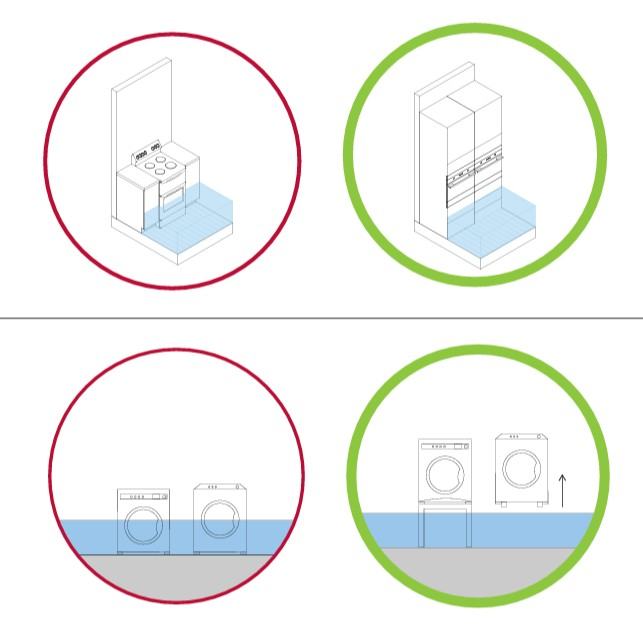
In Queensland, the Resilient Homes Fund provides support for retrofitting and modifying homes, including raising services, using water-resistant materials, and redesigning interiors to withstand inundation.
These measures allow residents to remain in flood-prone areas while improving safety and reducing long-term recovery costs—showing how accommodation can be scaled through government programs.
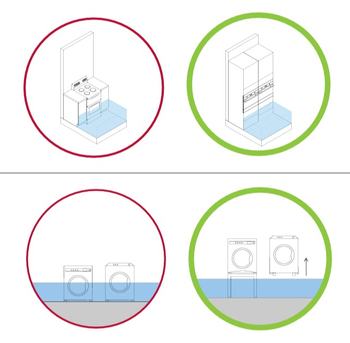
In Queensland, the Resilient Homes Fund provides support for retrofitting and modifying homes, including raising services, using water-resistant materials, and redesigning interiors to withstand inundation.
These measures allow residents to remain in flood-prone areas while improving safety and reducing long-term recovery costs—showing how accommodation can be scaled through government programs.
resilient utilities
In Queensland, the Resilient Homes Fund provides support for retrofitting and modifying homes, including raising services, using water-resistant materials, and redesigning interiors to withstand inundation.
These measures allow residents to remain in flood-prone areas while improving safety and reducing long-term recovery costs—showing how accommodation can be scaled through government programs.
extensive guidance provided by Queensland in building or retrofitting a flood resilient home for several types of dwellings.
What is protection or 'hold the line'?
A protect or hold the line approach actively keeps the shoreline in its current position and protects infrastructure in place through ongoing intervention. This typically involves constructing and maintaining coastal protection works designed to reduce erosion and manage inundation risk.
Protection approaches usually rely on hard engineering structures such as seawalls, revetments, groynes and levees, and are often supported by soft or hybrid measures including beach nourishment, dune management and the incorporation of nature‑based features.
Such approaches can provide visible risk reduction in the short to medium term particularly for densely populated areas or high value assets. However, they involve significant long‑term considerations. These include rising maintenance costs, impacts on coastal ecosystems and sediment processes, risk of erosion in adjacent areas, and the potential for maladaptation if future conditions exceed design assumptions.
Over time, protection options may become less effective or economically viable as sea-level rise accelerates. Within adaptation pathways, they are often used to delay or stage transitions to other approaches, such as accommodation or retreat, once thresholds are reached.
Seawall at Collaroy–Narrabeen, NSW
Following severe erosion during the 2016 east coast low, sections of Collaroy–Narrabeen Beach saw the construction of a large seawall to protect beachfront properties and infrastructure. The wall, up to several metres high, was designed to stabilise the shoreline and defend assets from future storm erosion.
This case demonstrates how hard engineering options can provide immediate protection to high‑value assets, but has also been highly contested due to concerns about beach loss, visual impacts, and downstream erosion effects.
Northern Beaches Council video about the seawall project.
to an ABC news interview with coastal expert Angus Gordon which outlines some of the arguments against this protection option.
What is loss acceptance?
Loss acceptance involves acknowledging and accepting residual risks and impacts from coastal hazards. It reflects a deliberate and informed decision to accept ongoing or future losses, either temporarily or permanently, without implementing additional adaptation options at a given point in time.
A range of adaptation options can be applied within a loss acceptance approach. These include emergency management planning, disaster response and recovery measures, and risk transfer mechanisms such as insurance. It may also involve allowing natural coastal processes (e.g. erosion or inundation) to occur without intervention.
Loss acceptance should be an active and documented decision, rather than a default outcome. It should be based on a clear understanding of risk, costs and benefits, community values, and the timing of potential future action.
This approach may be appropriate where risks are currently low, where available adaptation options are not yet cost-effective, or where future transformation is anticipated and pathways are in place to guide later action.
Within an adaptation pathways framework, loss acceptance may represent either a temporary stage or a deliberate end point, where residual risk is explicitly recognised and managed through preparedness, recovery, and longer-term adjustment.
credit Komkick_obelisk-3847699_1920
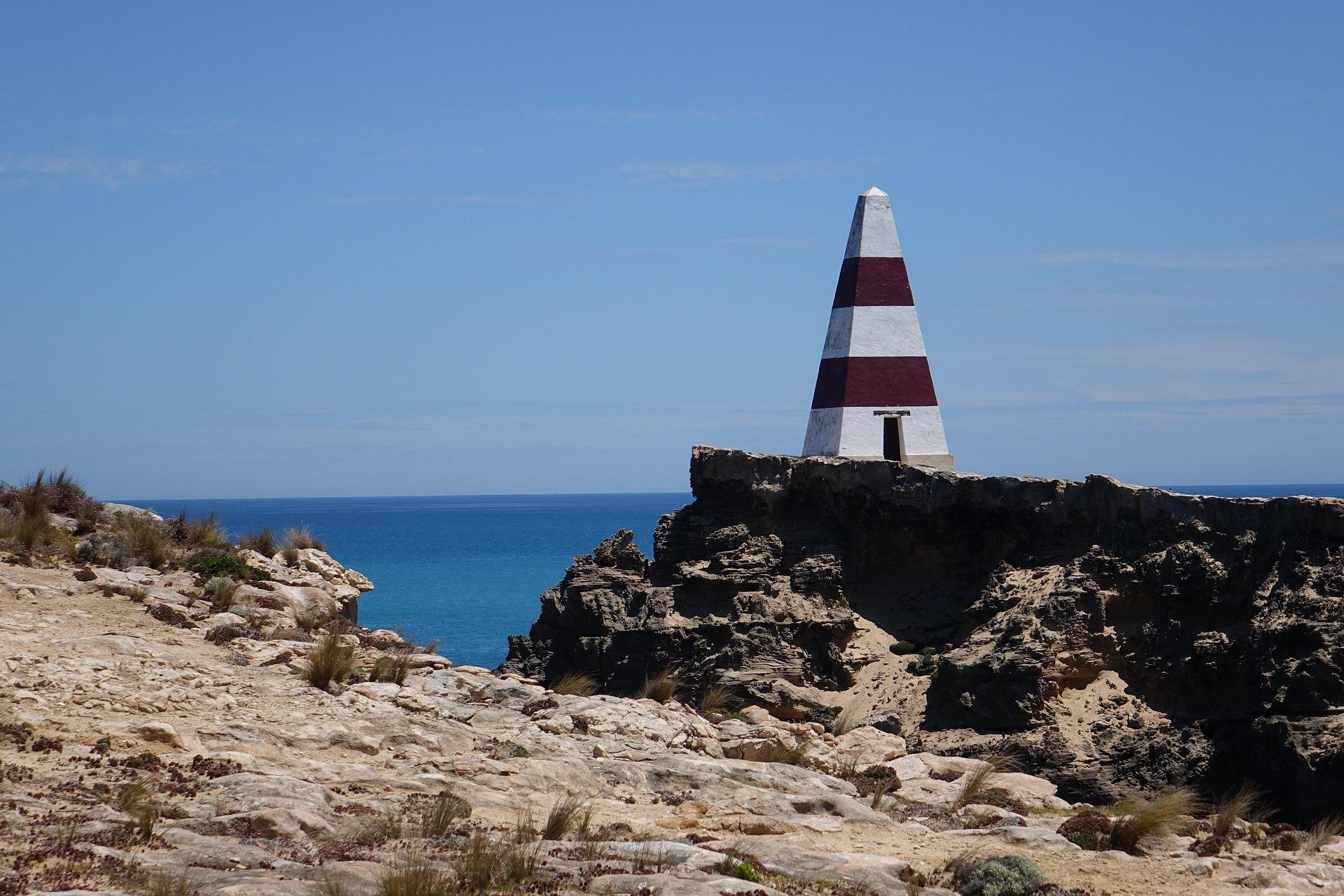
a CoastAdapt case study about a community working through acceptance of the loss of a coastal icon.
a CoastAdapt case study about a community working through acceptance of the loss of a coastal icon.
credit Komkick_obelisk-3847699_1920
a CoastAdapt case study about a community working through acceptance of the loss of a coastal icon.
| Approach | Objective | Typical adaptation options | When it is most suitable | Key considerations / limits |
|---|---|---|---|---|
| Avoidance | Prevent new exposure by steering development away from areas at risk of future coastal hazards. | Hazard mapping, zoning controls, development restrictions, setbacks, disclosure requirements | Early in the planning cycle; where land is not yet heavily developed | Most effective before assets are established; can constrain development; requires strong planning frameworks and enforcement |
| Managed retreat | Reduce risk by moving people, assets, and infrastructure away from high-risk areas, often in a planned and phased way | Property buy-backs, relocation of infrastructure, land-use change, rolling easements, buffer zones | Where risks are high or increasing and in-place options are no longer viable | Requires strong governance, funding, and community support; significant social, cultural, and equity implications |
| Accommodation | Allow continued use of land by reducing vulnerability to hazards without preventing exposure | Raising floor levels, floodproofing, resilient design, drainage upgrades, early warning systems | Where risks are moderate or intermittent, or as an interim measure | Effectiveness declines as hazards intensify; ongoing maintenance and residual risk remain |
| Protection | Defend assets in place by reducing hazard impacts or stabilising the shoreline | Seawalls, levees, revetments, groynes, beach nourishment, dune restoration | High-value or densely developed areas needing near-term protection | High cost and maintenance; may cause environmental impacts; often only delays need for other approaches |
| Loss acceptance | Acknowledge and accept residual risk, managing consequences rather than preventing impacts | Emergency management, disaster response and recovery, insurance, allowing natural processes | Where risks are low, options are not yet viable, or as a planned end point | Should be an active, informed decision; potential for cumulative impacts; requires preparedness and clear communication |
Adaptation approaches have limits, thresholds and residual risk
While a wide range of adaptation approaches exists for managing coastal climate risks, all options within these approaches have limits, beyond which they become technically, economically, or socially ineffective or unacceptable.
As sea‑level rise accelerates and coastal hazards become more frequent and severe, residual risk – the risk that remains even after adaptation – is expected to increase even where adaptation actions are implemented.
Long term planning therefore requires identifying key thresholds, such as the frequency of inundation, rates of erosion, or escalating maintenance costs at which particular options cease to be viable. These thresholds inform when alternative options or approaches need to be implemented.
Failure to account for these limits can delay decision making or lead to maladaptation and so increase long-term vulnerability.