


What is misinformation and disinformation>

Understanding the source of misinformation and disinformation
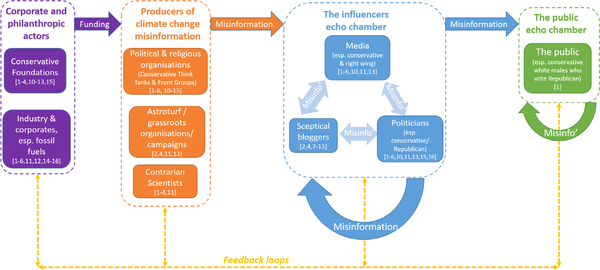
misinformation network
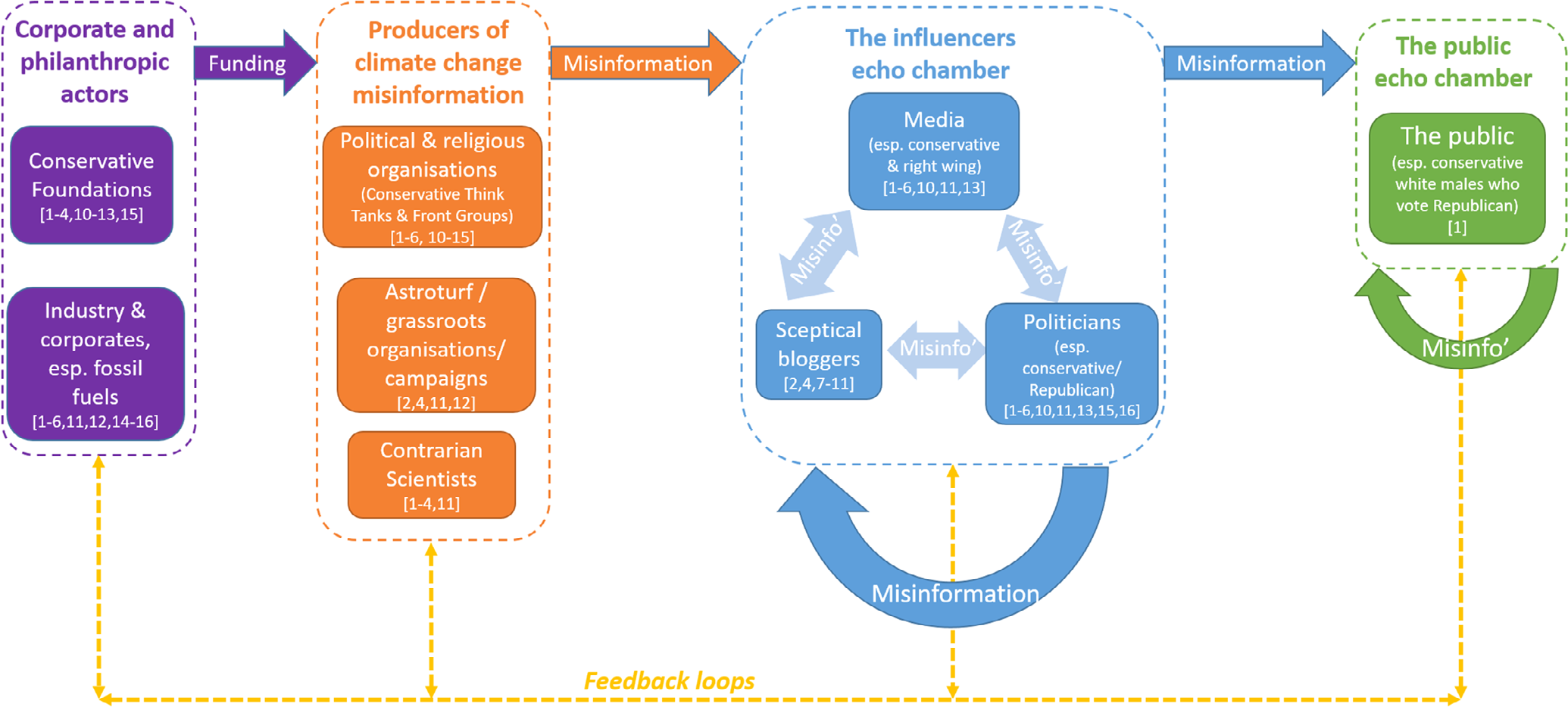
© Treen et al 2020. Reproduced under a Creative Commons attribution.
the work of the Disinformation in the City project focuses on informing and guiding local government policies and practices to counter disinformation and ultimately to strengthen democracy.
The key resource available is the Disinformation in the City Response Playbook.
Ten Principles (from the playbook)
The playbook is based on the following principles. These underpin the content and provide the context for effective disinformation response in cities. They also provide parameters for effective action
- Trust is paramount in countering disinformation. This means that it is crucial to ensure that the process is transparent and inclusive.
- Disinformation response must be non-partisan to be effective.
- City disinformation responses must be ongoing, and constantly building adaptive capacity and resilience to disinformation which is now part of the information landscape.
- Cities are already doing a lot, and they are not alone in this – solidarity and improved outcomes will come from sharing knowledge and experiences.
- Disinformation in cities has individual, organisational and societal consequences, and all three must be addressed.
- This playbook is not intended to change beliefs or diminish the rightful and essential democratic expression of dissent.
- Cities cannot address disinformation in isolation and must integrate into a broader multi-sector and multi-level disinformation response system. All actors involved must contribute to creating an inclusive and enabling environment for cities.
- Cities need ongoing access to realtime, rapidly deployed and targeted guidance, information, and support in the immediate and medium term.
- Cities must be able to innovate and experiment. This may require courage in contexts of low trust and incivility.
- There is no single way to address disinformation, and efforts need to include a combination of ongoing responses subject to frequent reflection and adaptation.
There is no single way to address disinformation. It requires a combination of ongoing responses, with frequent reflection and adaptation.
Trijsburg et al 2025.
about the finidings o the Select Committee on Information Integrity on Climate Change and Energy
Final report: The Integrity Gap: Restoring Trust in the Climate and Energy Debate