


At a glance
- Adaptation includes both planned (policy-driven) and spontaneous (everyday) responses that often work together.
- Actions range from incremental adjustments to transformational changes when risks become severe.
- Outcomes depend on who pays and who benefits, with public, private, and hybrid models shaping delivery.
- Effective adaptation requires capacity, coordination, and careful management of trade-offs to avoid maladaptation and ensure equitable outcomes.

What is adaptation?
Climate change adaptation refers to the decisions and actions taken to prepare for and respond to the impacts of climate change, reducing harm while making the most of any potential opportunities.
A formal definition of climate change adaptation is: “The process of adjustment to actual or expected climate and its effects. In human systems, adaptation seeks to moderate or avoid harm or exploit beneficial opportunities. In natural systems, human intervention may facilitate adjustment to expected climate and its effects.”
IPCC 2018
Adaptation to climatic conditions is not new. Humans and ecosystems have always adjusted to changing weather and environmental conditions. What is different today is the speed, and scale of climate change, largely driven by human‑produced greenhouse gas emissions.
These changes are expected to persist for centuries, placing increasing pressure on the capacity of systems to respond., with effects that will last for centuries.
Many societies and ecosystems are already adapting, but the growing intensity and frequency of climate impacts are making it increasingly difficult to keep pace.
DCCEEW defines successful climate adaptation as it should:
- "be place-based, community-led and values-driven – tailored to the affected areas and communities
- involve everyone – governments, households, businesses and community organisations all have a role
- be underpinned by science and analysis – to make decisions, prioritise adaptation actions, and choose the best response."
Maladaptation is when adaptation action results in increased vulnerability to climate variability and change, directly or indirectly, and/or significantly undermines capacities or opportunities for present and future adaptation.
more in CoastAdapt about maladaptation, when adaptation backfires to increase vulnerability, create new risks or worsen existing ones.
more in CoastAdapt about:
- barriers and limits to adaptation
- enablers of adaptation
- case studies that showcase how groups are adapting and what they have learned, including:
- a perspective on barriers from a council decision-maker
Key characteristics of adaptation
Adaptation as coordinated action under uncertainty
Climate adaptation involves coordinated and individual actions across multiple scales, from household responses to international policy and finance. Its effectiveness depends on timing, governance, funding, and the management of trade-offs, with the overall goal of building long-term resilience under uncertainty.
Adaptation includes both planned (policy-driven) and autonomous (everyday) responses operating simultaneously. Actions range from incremental adjustments within existing systems to transformational changes when risks become severe.
Adaptation is most effective when efforts are collaborative and coordinated, aligning policies, resources, and local needs in equitable and context-specific ways. Outcomes are shaped by who pays and who benefits, with public, private, and hybrid funding models influencing both delivery and distributional impacts.
Effective adaptation therefore requires capacity, coordination, and careful attention to equity, inclusion, and the avoidance of maladaptation across scales.
Adaptation and timing of decision and when to act
Adapting to climate change begins with recognising uncertainty around the timing, scale, and impacts of future change. In this context, effective adaptation goes beyond reacting to impacts as they arise. It requires judgement about when incremental adjustments are sufficient, when transformational change may be necessary, how responsibilities and benefits are distributed, and how decisions made today influence future options.
Given this uncertainty, early action often focuses on no-regrets or low-regrets measures that deliver benefits under current conditions as well as across a range of possible future climate scenarios. These measures can form the foundation of an adaptive pathway.
An adaptive pathway approach helps avoid decisions that lock in or constrain future choices by emphasising flexibility. It involves sequencing actions over time and identifying climate “trigger points” that indicate when adjustments or new responses are needed. This approach depends on ongoing monitoring, clear decision points, and the ability to adjust course as conditions change or new information becomes available.
By structuring adaptation in this way, pathways support more responsive planning and resourcing, while allowing irreversible decisions to be deferred until they are really necessary.
Example of a 'no regrets' strategy
QRA_Brick veneer
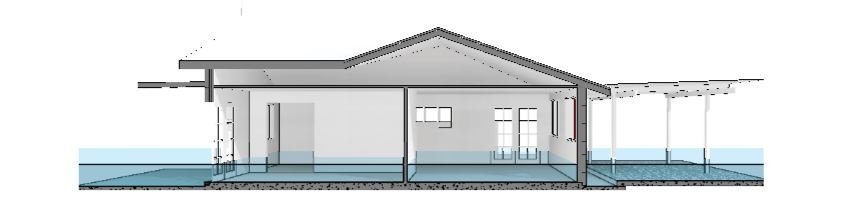
The Queensland Reconstruction Authority has developed guidelines and plans for flood proofing different types of housing stock in flood-prone areas. Making a house on a floodplain more flood proof is an example of a 'no regrets' strategy: even if future flooding is less severe than expected, the investment still pays off in other ways.
Flood Resilient Building Guidance for Queensland Homes (February 2019) Flood Resilient Building Guidance for Queensland Homes (February 2019) (QRA Reference: CM QRATF/19/260 DOC-21-44304 GD0879). Last updated February 2023
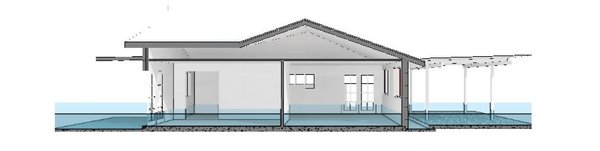
The Queensland Reconstruction Authority has developed guidelines and plans for flood proofing different types of housing stock in flood-prone areas. Making a house on a floodplain more flood proof is an example of a 'no regrets' strategy: even if future flooding is less severe than expected, the investment still pays off in other ways.
- Flood Resilient Building Guidance for Queensland Homes (February 2019) Flood Resilient Building Guidance for Queensland Homes (February 2019) (QRA Reference: CM QRATF/19/260 DOC-21-44304 GD0879). Last updated February 2023QRA_Brick veneer
The Queensland Reconstruction Authority has developed guidelines and plans for flood proofing different types of housing stock in flood-prone areas. Making a house on a floodplain more flood proof is an example of a 'no regrets' strategy: even if future flooding is less severe than expected, the investment still pays off in other ways.
Flood Resilient Building Guidance for Queensland Homes (February 2019) Flood Resilient Building Guidance for Queensland Homes (February 2019) (QRA Reference: CM QRATF/19/260 DOC-21-44304 GD0879). Last updated February 2023
about stepped and sequenced adaptation in Adaptation pathways approach
Adaptation pathways are flexible, sequenced strategies that outline different options for responding to climate change over time, allowing decisions to adjust as conditions change and new information becomes available.
Adaptation depends on adaptive capacity
The ability to adapt is known as adaptive capacity and depends on a wide variety of factors.
Adaptive capacity is: “the ability of systems, institutions, humans, and other organisms to adjust to potential damage, take advantage of opportunities, or respond to consequences.”
IPCC (2018)
It is shaped by factors such as economic resources, governance, infrastructure, knowledge, and social networks. However, capacity does not guarantee action. A gap often exists between the potential to adapt and actual implementation, influenced by barriers including political hesitancy, economic interests, or perceived lack of urgency.
Adaptive capacity varies significantly across scales and contexts. While countries like Australia may have high overall capacity, this is not evenly distributed, and some communities remain highly vulnerable due to limited resources or greater exposure to climate hazards.
Vulnerability and exposure also play a key role. Communities that are more exposed to climate hazards or have fewer coping mechanisms are at greater risk, even if they have some capacity to adapt.
Adaptation has winners, losers, benefits and tradeoffs
Adaptation involves trade-offs, as actions that benefit some communities or ecosystems may disadvantage others. Outcomes are rarely distributed evenly, creating winners and losers and often leading to contested, politically charged decisions. Differences in power and influence further shape which adaptation measures are prioritised and funded.
These dynamics raise important questions of fairness and inclusion. Effective adaptation must consider who gains, who loses, and whose voices are represented in decision-making.
Climate impacts and responses can also produce mixed outcomes. For example, increased tourism from milder conditions may create new pressures on infrastructure and communities, while measures like seawalls can protect assets in one area but worsen erosion elsewhere.
As risks intensify, opportunities for positive outcomes may decline, reinforcing the need for adaptation strategies that are forward-looking, equitable, and capable of balancing competing needs across society.
Adaptation can be understood in various ways
Ae useful way to understand adaptation is to consider:
- the depth of change involved (incremental to transformational adaptation)
- who initiates adaptation (planned or autonomous adaptation)
- when adaptation occurs (anticipatory or reactive adaptation)
- who pays and who benefits (public, private, or hybrid adaptation)
These categories are not discrete and often overlap. A single adaptation action may be planned, anticipatory, transformational, and jointly funded by public and private actors. Understanding these different dimensions helps practitioners design more effective, equitable, and sustainable responses to climate change.
Depth of adaptation: from Incremental adaptation to transformational adaptation
Most adaptation occurs incrementally, involving small-scale adjustments that help systems cope with climate impacts while maintaining existing structures and practices. However, as risks intensify and systems approach critical thresholds, incremental measures may become insufficient and transformational adaptation is required.
In practice, incremental and transformational adaptation occur along a continuum. Incremental actions can contribute to transformational change, while transformational adaptation may be supported by a sequence of smaller steps.
Incremental adaptation:
small actions or adjustments over time. Repeated incremental actions can create adaptation lock-in, which stalls or blocks more long term solutions.
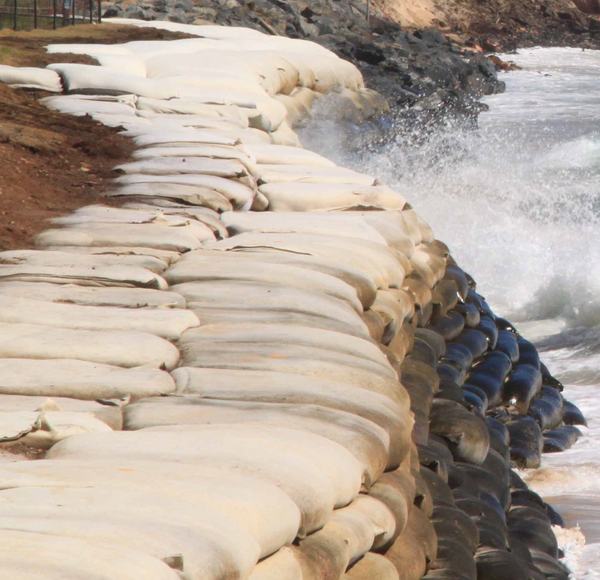
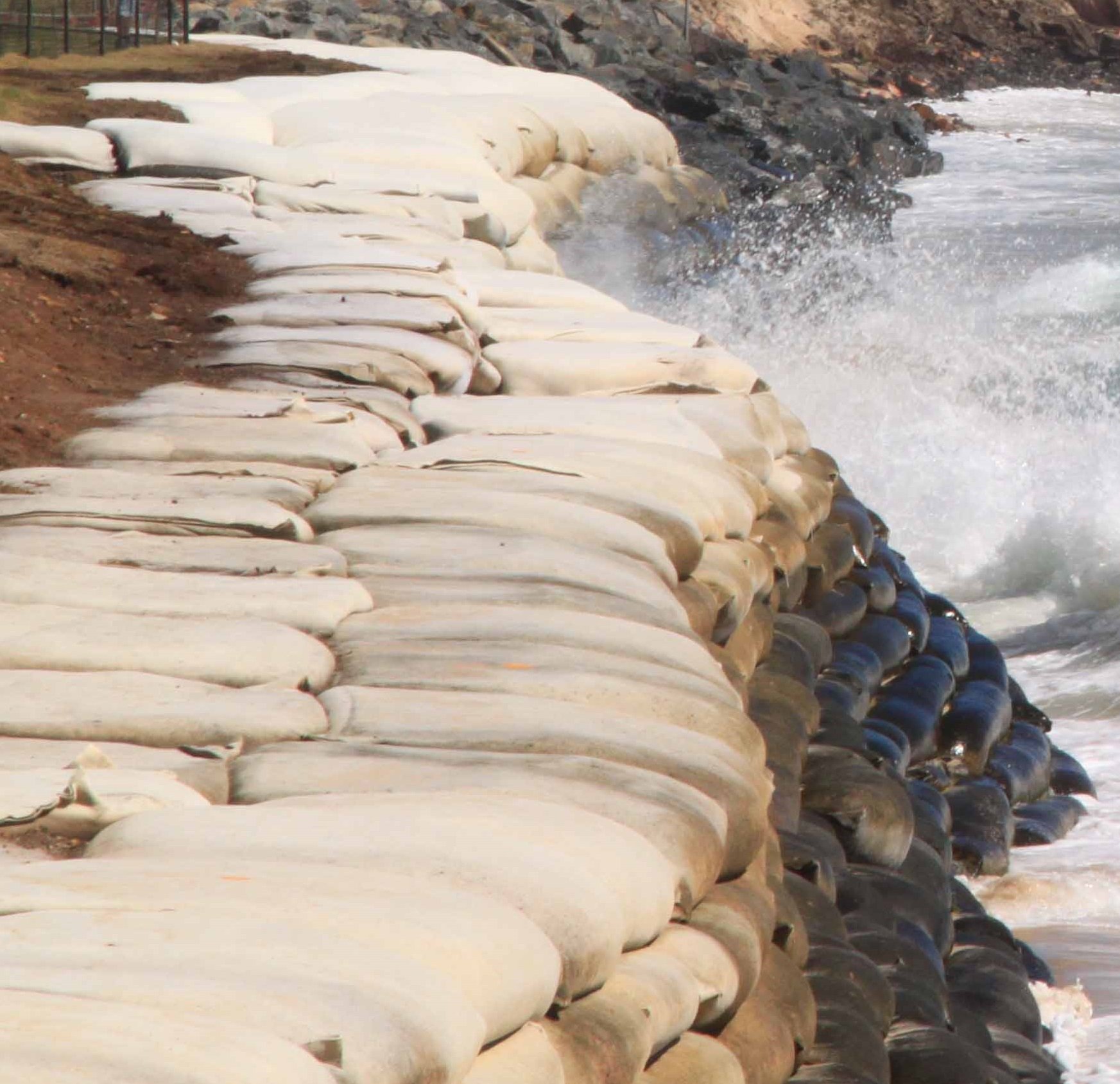
E..g. Raising the height of seawalls to accommodate rising sea levels builds on existing coastal infrastructure to manage increasing flood risks without changing land use or settlement patterns.
seawall
Transformational adaptation:
fundamental changes to social, economic, institutional or ecological systems that alter development pathways and substantially reduce climate risk.
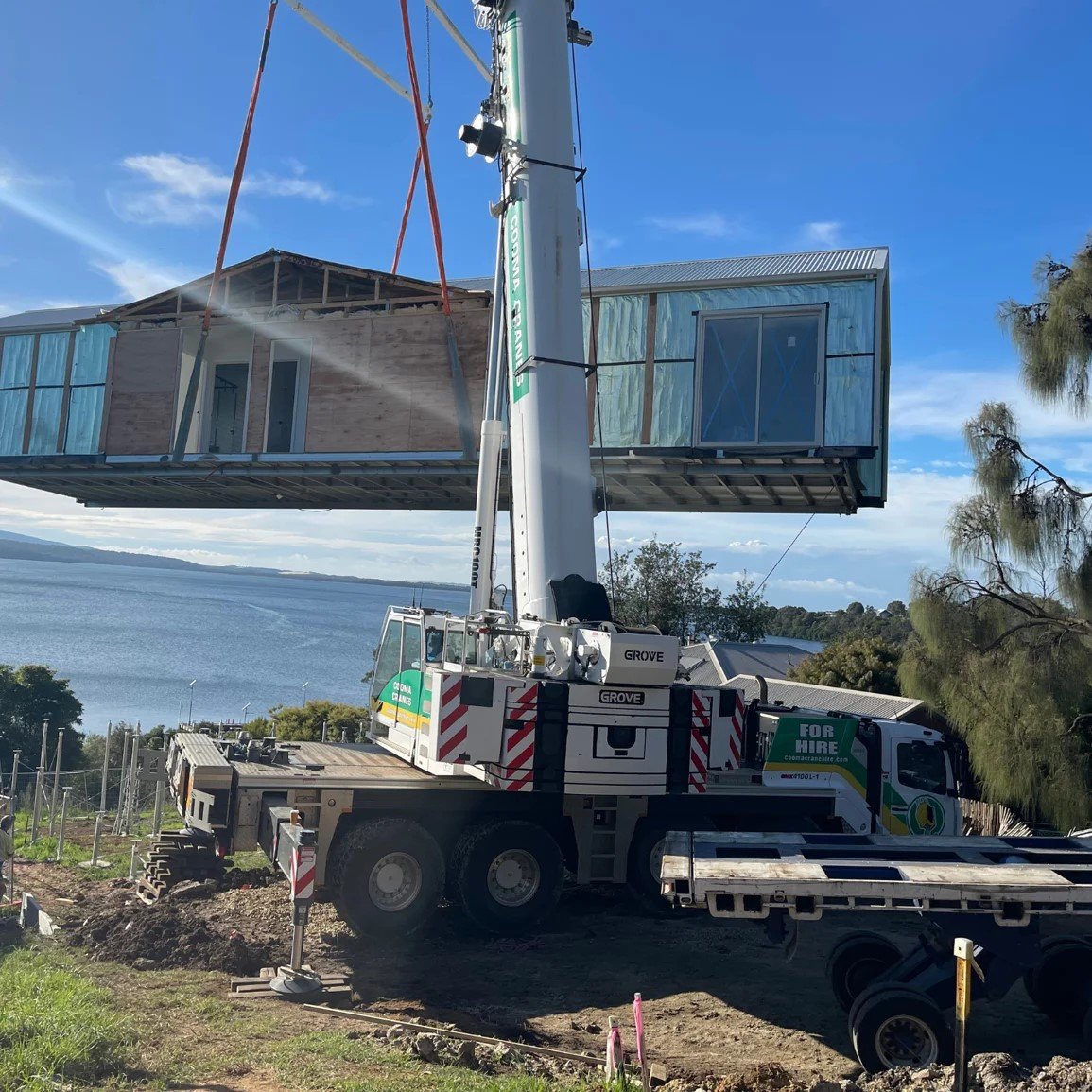
E.g. relocating an entire community from a flood-prone area to higher ground involves a fundamental shift in land use, infrastructure, and livelihoods to reduce long-term climate risk. (Image: Anchor Homes)
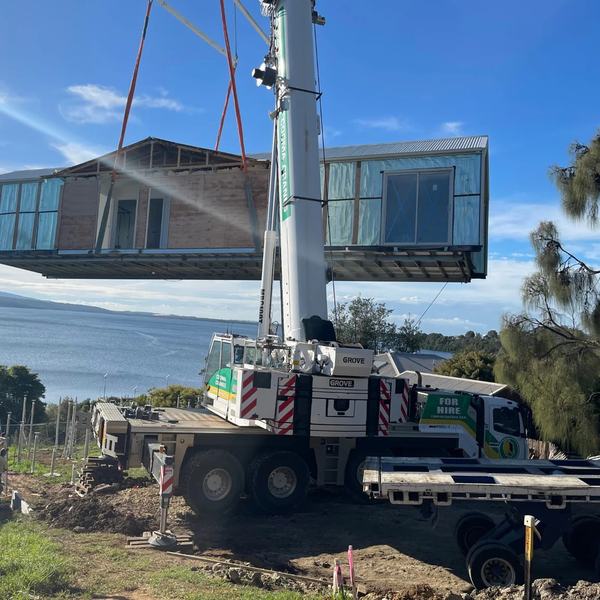
anchor homes_coastal
Prompts for adaptation
Adaptation can be distinguished by how it is prompted, structured and organised. This highlights the interplay between top-down, anticipatory approaches and bottom-up, experience-based responses: both contribute to overall adaptive capacity.
In practice, these operate together: planned efforts set the direction and provide support, while spontaneous responses reflect adaptation through everyday life.
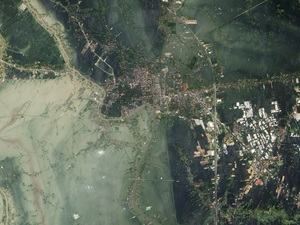
Anticipatory adaptation:
seeks to reduce vulnerability before damages occur and is based on strategic risk assessments of future climate risks.
E.g. A council updates planning controls to prevent new development in areas vulnerable to future inundation.
flood-60537_1920_sml
Reactive adaptation:
spontaneous adjustments made by individuals, businesses, communities, or ecosystems once they have experienced climate impacts and incurred loss loss and damage.
e.g. rebuilding home interiors with flood resilient design and materials after a major flood event, such as putting electricals up high.

high electrics_copy

Autonomous adaptation
adjustments occur without a specific adaptation policy or plan and tend to be initiated by individuals, households, businesses, or ecosystems in response to changing environmental conditions.
E.g. a homeowner independently installs a rain garden to manage increasingly intense rainfall, runoff or local flooding.

raingarden

Planned adaptation
deliberate actions to specifically address climate risks: typically informed by risk assessments, policies, strategies, and processes led by governments, organisations, businesses, and / or communities.
E.g. local government coastal hazard planning programs to manage future climate impacts, such as Redland CHAS developed through QCoast2100.
redland-chas
Who pays and who benefits
Adaptation can also be understood in terms of who finances adaptation and who benefits, which shapes how actions are prioritised, delivered, and sustained. Considering this helps clarify roles, responsibilities, fairness, capacity and climate justice, as well as potential gaps in climate responses.
In practice, adaptation is increasingly funded and experienced across a spectrum - from fully public initiatives to entirely private actions, with similarly unshared, shared or overlapping benefits.
Publicly funded adaptation:
funded by governments for broad community benefits, such as investments in infrastructure, emergency management, or public health, environmental management and community resilience.
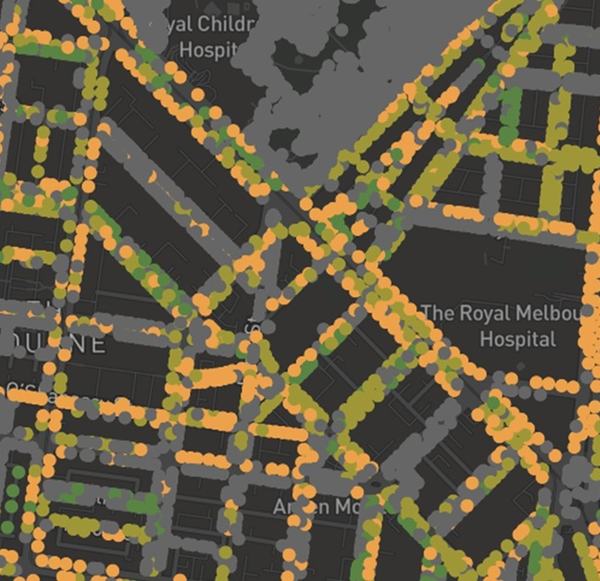
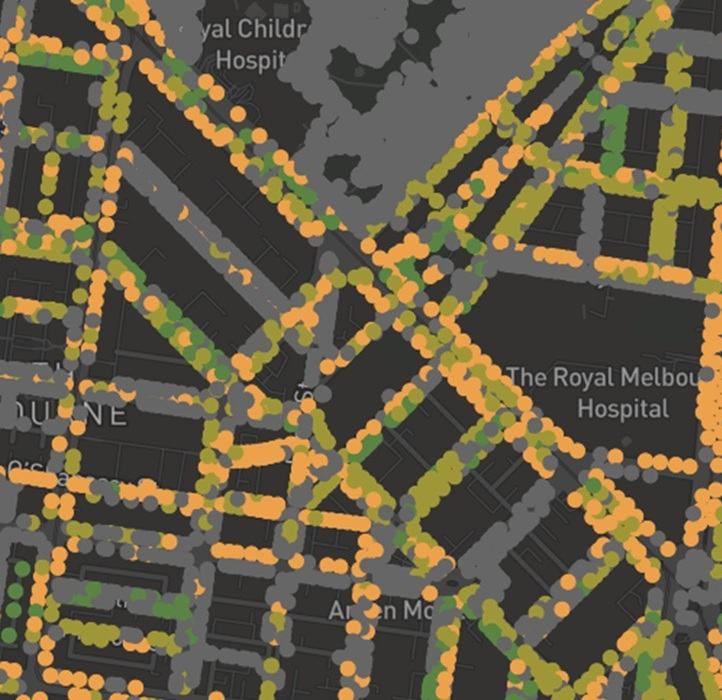
e.g. Melbourne's urban forest strategy is public investment to reduce urban heat and improve livability for the wider community.
urban forest_SQ
Privately funded adaptation
undertaken and financed by a person or business - they pay and they receive the primary benefits.
e.g. a Northern Rivers home owner raising floor levels to cope with local flooding.

reno post flood_sml

Hybrid public and private adaptation:
a mix of publicly and privately funded adaptation that generate both public and private benefits.
Hybrid arrangements tend to raise important questions about cost-sharing, long-term maintenance, governance, liability, and equitable distribution of benefits. With increasing climate risks, clarifying these questions will become more important.

e.g. the Collaroy seawall was about 80% funded by homeowners to protect their properties and 20% by NSW government to protect nearby public infrastructure (roads, utilities).
Collaroy seawall

e.g. the Collaroy seawall was about 80% funded by homeowners to protect their properties and 20% by NSW government to protect nearby public infrastructure (roads, utilities).
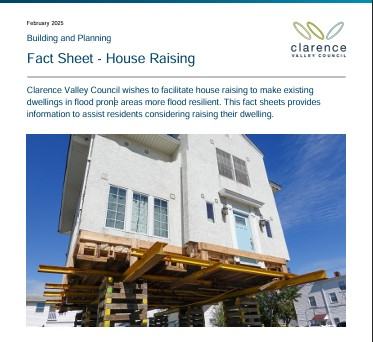
e.g. some local councils offer in kind support for home owners to undertake house raising in flood zones and this takes the form of advice, helping with development applications.
House raise
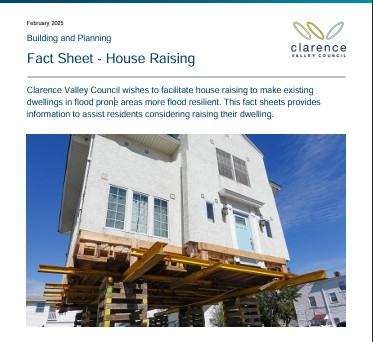
e.g. some local councils offer in kind support for home owners to undertake house raising in flood zones and this takes the form of advice, helping with development applications.
Adaptation has co-benefits
Climate adaptation is primarily aimed at reducing climate risks, but it can also deliver a wide range of additional benefits, often referred to as co-benefits. Realising co-benefits requires integrated, cross-sector planning and strong governance.
These include environmental, social, economic, and governance improvements that arise alongside the main adaptation objective. For example, restoring wetlands, mangroves, or urban green spaces can reduce flooding and heat while also improving biodiversity, water quality, public health, and even storing carbon.
Adaptation can also generate governance co-benefits by strengthening stakeholder engagement, improving decision-making processes, and building institutional capacity to manage future risks. In this way,
However, these co-benefits are not guaranteed. Their success depends on how adaptation actions are planned, funded, and managed. In some cases, benefits may be unevenly distributed, meaning some groups gain more than others. There can also be trade-offs. For instance, while a restoration project may improve environmental outcomes, if not carefully designed it could affect local land use or livelihoods.
Recognising potential co-benefits can help build support for adaptation investments and ensure that actions contribute not only to climate resilience but also to broader sustainability goals.
In coastal settings, adaptation measures such as living shorelines, wetland restoration, and nature-based strategies often provide a diverse range of benefits
None
In coastal settings, adaptation measures such as living shorelines, wetland restoration, and nature-based strategies often provide a diverse range of benefits
The 'adaptation sector'
The adaptation sector refers to the collection of activities, industries, professions, organisations, and governance processes focused on helping people, ecosystems, and economies adjust to the actual and expected impacts of climate change.
It is not an industry, but a cross-cutting field that spans multiple sectors (water, health, agriculture, coastal management, infrastructure, finance, etc.) and includes:
- planning and policy – local, regional, and national strategies for managing climate risks
- environmental management – restoring ecosystems, protecting biodiversity, and managing natural resources under changing conditions
- engineering and infrastructure – climate-resilient design for buildings, transport, water systems, and energy networks
- social systems and community resilience – public health, emergency management, education, and community-led initiatives
- finance and insurance – funding models, incentives, and risk transfer mechanisms for climate-proofing investments.
The adaptation sector is a network of practitioners and stakeholders involved in climate resilience, from scientists to engineers, urban planners, farmers, and financial experts to policymakers. Each sub-sector has its own unique adaptation processes, shaped by the risks they face and the systems they manage.