



At a glance
- Protect coastal dunes by using designated beach access paths, avoiding private shortcuts, and keeping pets out of sensitive dune areas to prevent erosion and habitat damage.
- Garden responsibly by removing invasive species, planting native vegetation, and properly disposing of garden waste to support dune stability and biodiversity.
- Reduce environmental impacts by avoiding driving on beaches, minimising light pollution to protect wildlife, and cutting down on plastic use and littering.
- Get involved in community efforts such as joining Coastcare or Dunecare groups, participating in dune restoration activities, and helping raise awareness about coastal conservation.
Households can be good coastal neighbours
Being a good coastal neighbour means being aware of how everyday actions can affect the beach environment – especially the dunes. These sandy hills do a lot of quiet work, like protecting the shoreline from erosion and giving local wildlife a place to live. By learning a bit about them and sharing that knowledge with others, we can all help keep our coastlines healthy and resilient.
Coastal dunes are dynamic, living systems that play a vital role in protecting the shoreline. They act as natural buffers against storm surges, wind erosion, and sea-level rise, while also supporting unique ecosystems and biodiversity. As climate change and urban development increase pressure on these fragile environments, households living near the coast can play an important role in their protection and restoration.
There are many everyday (and more concerted) practical steps households can take, drawing on guidance from local councils, environmental organisations, and technical manuals.
Small actions can have a big impact. Your choices can help ensure that dunes remain healthy, which helps them do their 'job' of protecting beaches and coastal communities and supporting biodiversity.
Respect beach access – both people and pets
One of the simplest and most immediate ways households can protect dunes is by using designated public beach access paths. Straying from these paths damages native vegetation, causes erosion, and creates informal tracks that fragment dune habitats. These tracks also make it easier for invasive species and predators like foxes and cats to move through the dunes.
Using and creating informal beach access tracks also lowers the dunes in places and cause low points, blow outs that reduce the resilience and increase the potential for erosion areas or overwash. Creating private access paths or shortcuts through the dunes may seem harmless, but it leads to long-term degradation. Instead, residents should always use council-managed access ways and encourage guests and neighbours to do the same.
Beach access can be particularly important after coastal erosion events, when it is tempting to create a new ad hoc pathway to the beach when an old path has been closed or lost through storms. Stick to access ways and don’t walk on eroded dunes and steep scarps – these steep and unstable scarps can be very dangerous and can collapse suddenly.
Community members sometimes install unauthorised stairs, fencing, works (geobags) to protect property or access or trees from erosion impacts. All works in coastal areas (in most jurisdictions) need development approval. Works can be a source of waste and cause unintended impacts to the beach such as down-drift erosion.
Dogs can damage dunes and native animals
Dogs can cause significant damage to dunes. By digging and running they can destabilise steep slopes and fragile front dunes, while their scent marking and droppings can deter wildlife and spread disease. Cats and dogs may also attack or scare native animals, including threatened species such as shorebirds and turtles.
Dog carers should ensure they use dog-only beach areas, keep their pets out of dune areas, and always clean up after them. This protects the environment but also ensures that public spaces remain safe and pleasant for all beach users.
When walking your dog stay on the lower beach in the intertidal zone, and try to walk at low tide so you avoid the upper beach and its wildlife and fragile dunes. Keep dogs away from shorebird nesting sites and other sensitive areas, especially during breeding season, so our shorebirds and coastal wildlife can thrive.
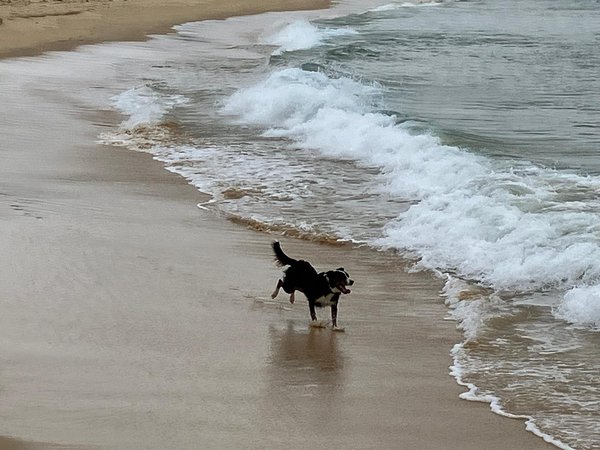
dog on beach
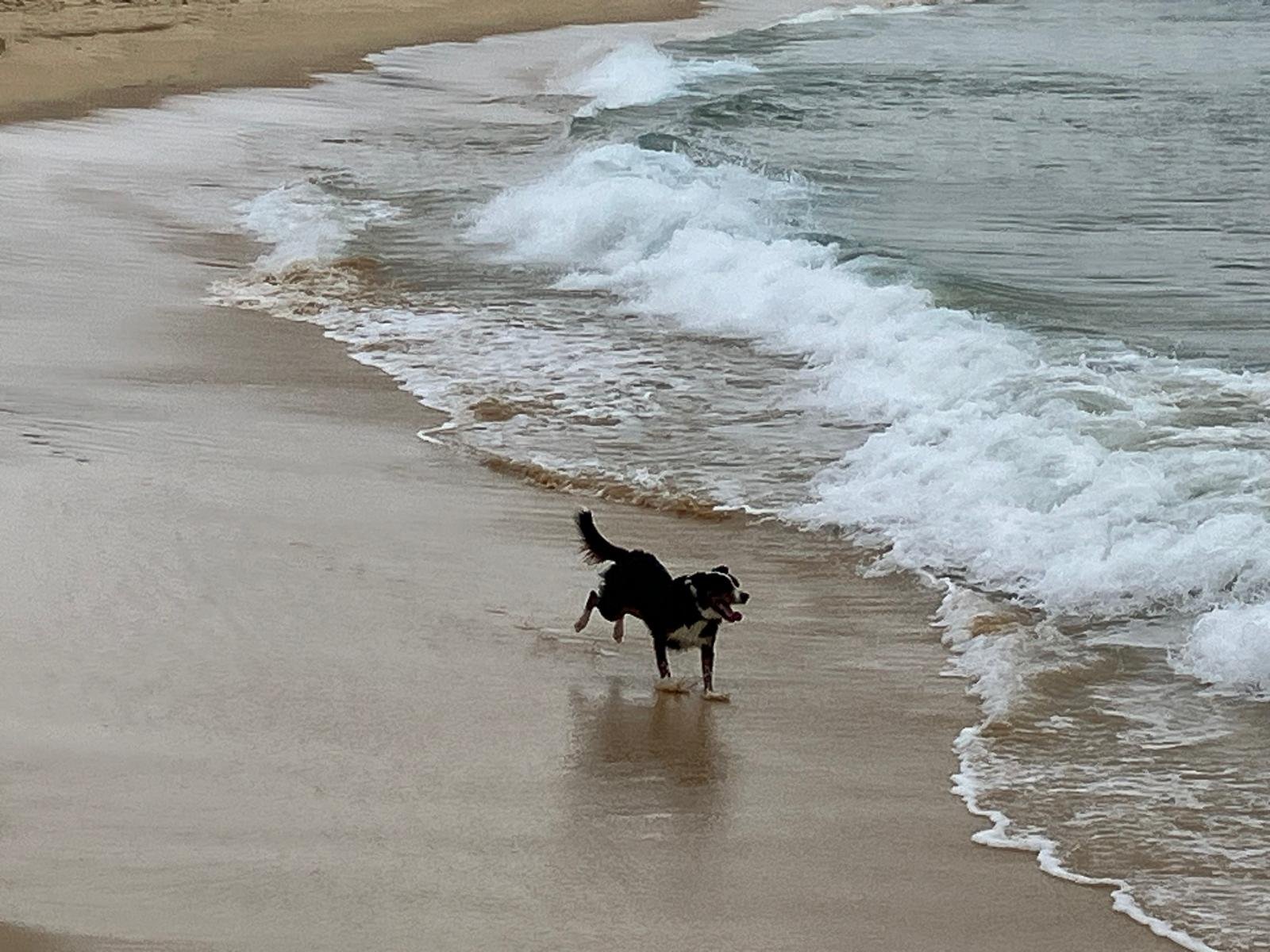
Many councils now have campaigns that focus on keeping dogs under effective control, cleaning up after them, and respecting shared public spaces to ensure safe co-existence for all beach users and wildlife. This
LEARN: about the impacts of dogs on beaches including case studies of councils taking effective 'responsible dog' campaigns.
Don't drive on beaches
Driving 4WDs on beaches is a popular recreational activity for many coastal areas. it enables people to travel further, often seeking quieter spots, to recreate.
Yet, it is well known that 4WDs on beaches increases erosion of dunes and at beach access points, spreads weeds, and also has negative effects on native vegetation and wildlife. While shorebirds and their nests are obviously impacts, less clear are infauna that live in the sand and a affected by the trampling effect of vehicles.
Other beach users often don't like that recreational vehicle use degrades social and cultural values.
Restricting or educating drivers is challenging.
LEARN: more about 4WD driving on beaches
READ: a case study Driving change, about Ballina Shire Council's move to phase out 4WD on local beaches
Respecting personal space
Encroachments from gardens into the coastal zone are a big issue with some households extending their personal gardens into the dunes, including locating their pots, furniture/seating and trampolines. Councils tend to take encroachments seriously as they can prolific in some areas.
It is also illegal on public land to clear the larger trees and shrubs for better private property ocean views.
Garden responsibly to protect native vegetation
Dune vegetation plays a critical role in stabilising sand and buffering against wind and wave erosion. Plants like spinifex, coastal wattle, and beach morning glory trap sand with their roots and help build dune structure.
Activities such as mowing, pruning, poisoning, or clearing native plants – even unintentionally – can weaken the dune system. Residents should avoid interfering with vegetation and report any concerns to local councils.
Many invasive coastal weeds began as garden plants. Species like lantana (Lantana camara), asparagus fern (Asparagus aethiopicus), and coastal tea tree (Leptospermum laevigatum) can escape from gardens and out compete native vegetation.
These weeds reduce biodiversity, increase fire risk, and destabilise dunes. To prevent this, households can:
- remove environmental weeds from their gardens.
- replace them with local native species suited to the coastal environment.
- monitor for plant spread beyond property boundaries.
- compost garden waste or use green waste bins – never dump it in dunes (or in bushland).
Most local councils have planting suggestions to avoid planting problem garden species but some councils have developed specific coastal planting guides. See if you have one for your locality or region. Here are a few:
- Green Adelaide has produced a series of guides for coastal garden design and coastal planting
- Yorke in South Australia has a coastal planting guide with a great section on plant subsitutions: 'don't plant this, plant this instead'.
- Brunswick Valley Landcare has a planting guide climate resilient landscapes for NSW Northern Rivers
- Northern Beaches Council in Sydney also has a coastal native planting guide
Joining a local Coastcare or Dunecare group is a great way to learn more about native plant species and support restoration efforts as well.
Learn together – join a community group to support dune rehabilitation
Being a good coastal neighbour also means staying informed and showing or helping others understand the importance of dune protection.
Households can get together with others to support dune rehabilitation efforts by volunteering with local dune care groups or participating in planting days. These community-led initiatives use techniques such as brush matting, planting spinifex runners, and installing dune-forming fences to rebuild dune structure and restore biodiversity.
And if you don't want to get your hands sandy, there are are other important 'remote' volunteering actions such as helping with signage or or raising awareness through local media channels or events.
Community groups often work in partnership with local councils and receive support from programs like the National Landcare Program and Coastcare or Dunecare Australia.
LEARN: about dune restoration
The NSW Coastal Dune Management Manual (2001) remains the key resource for understanding dune systems dune rehabilitation. It outlines best practices for dune restoration, including:
- using locally indigenous species for planting.
- avoiding overuse of species like marram grass, which can alter dune shape and reduce biodiversity.
- applying mulch and temporary stabilisers to protect young plants.
- monitoring and maintaining plantings over time.
The manual also emphasises the importance of community involvement, long-term maintenance, and integrated planning.
LEARN: how to propagate and revegetate using local plants for dune restoration
ACT: get proactive and take a rubbish collection bag to the beach to pick up rubbish: see tips at Take 3 for the Sea or join one of your local clean ups.
ACT: report pest or feral animals and plants to authorities such as your local council.
This can be particularly important to do promptly, especially for some pests e.g. fire ants.
Be wildlife friendly by reducing light pollution
Managing artificial light - which can be light pollution - is important for protecting coastal wildlife. Artificial lighting from coastal infrastructure and homes can disrupt natural behaviors such as nesting, foraging, and migration.
Artificial lighting from buildings and homes near the beach can disorient nesting sea turtles, especially hatchlings, leading them away from the ocean.
Shorebirds and nocturnal species can experience disorientation and altered predator-prey dynamics. Light pollution can affect marine ecosystems by interfering with plankton movement and fish spawning.
Households can use responsible lighting practices to reduce ecological harm.
- remove or shield lights that shine toward the beach replace them with turtle-safe alternatives such as amber-coloured bulbs on timers or motion sensors
- plant native vegetation to create a light barrier
- use only a small torch on the beach (less than 100 lumens)
Households can also support local shorebird or turtle conservation programs and avoid disturbing nesting sites.
Read the Cut the glow brochure
- @ Queensland Government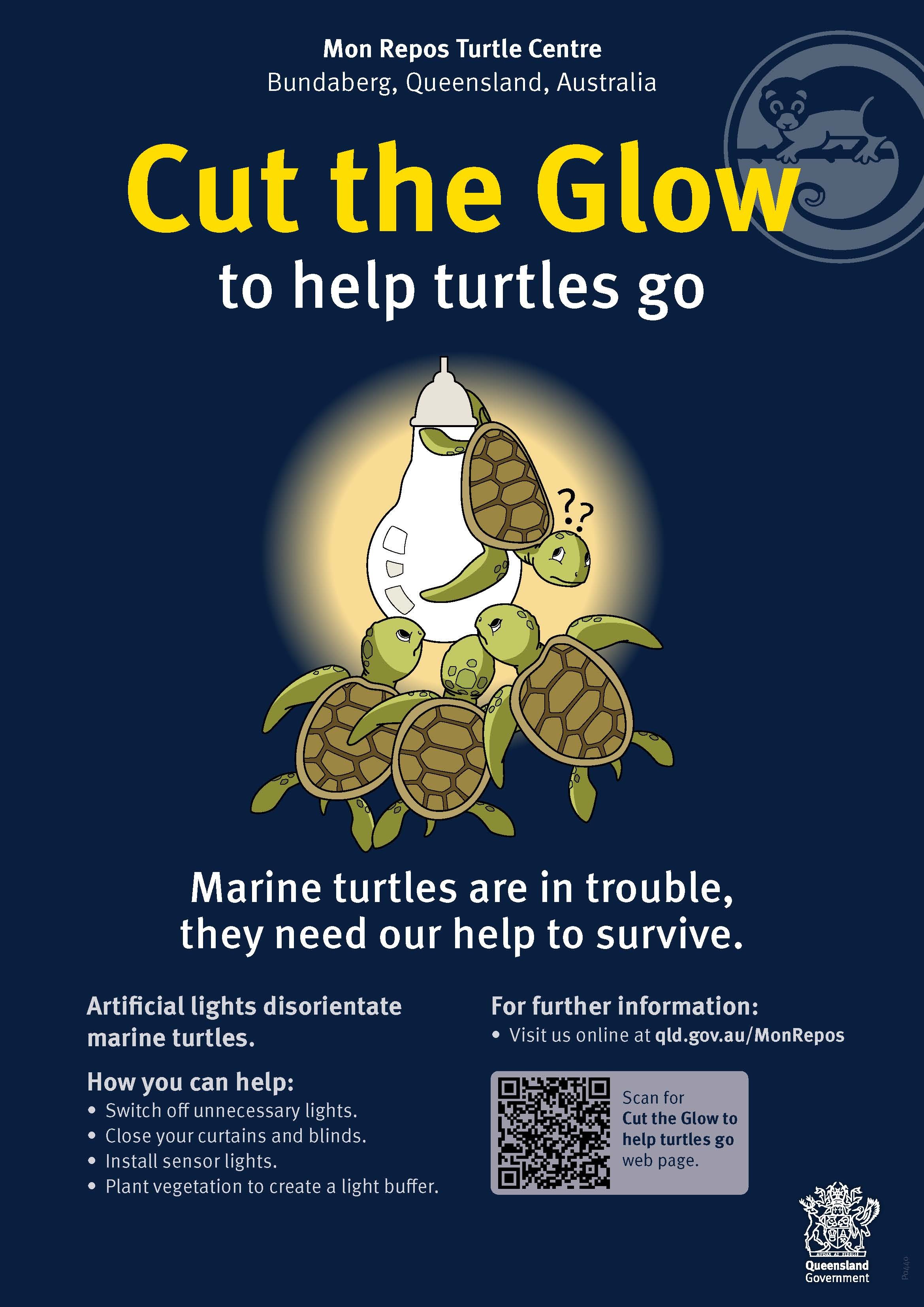
EXPLORE: resources to reduce light pollution developed by state and local governments, including:
- National Light Pollution Guidelines for Wildlife developed by DCCEEW
- Bundaberg Regional Council's Reducing Urban Glow strategy, including their urban glow maps. Local beach, Mon Repos, is one of the key turtle breeding rookeries along the Queensland coast, reducing light pollution is vital for this area.
- Light pollution and marine turtles developed by the Sunshine Coast Council.
Reduce plastic pollution
Plastic waste poses a serious threat to coastal wildlife. Turtles and seabirds often mistake plastic for food, leading to choking, poisoning, or starvation. Even small pieces of plastic can be deadly, and plastic pollution also degrades the beauty and health of our beaches.
Households can help by:
- reducing consumption of single-use plastic
- ensuring all waste is properly disposed of or recycled
- picking up big and small rubbish during beach visits (get organised and remember to take gloves and rubbish bag)
- participating in local clean-up events.
LEARN: more about plastic pollution in the ocean