


At a glance
DNA is a non-invasive, highly sensitive tool that detects genetic material from organisms in coastal environments, making it ideal for monitoring biodiversity, especially for elusive or rare species.
It complements traditional environmental monitoring methods by detecting species that are hard to observe visually, though it cannot estimate abundance or provide behavioural or health data.
To implement eDNA monitoring, coastal managers should follow a structured plan, consult experts, use validated protocols, and interpret results cautiously, especially for management decisions.

How eDNA can help to monitor coastal waterways
The use of environmental DNA (eDNA) – genetic material shed by organisms into their water sediment or soil – is transforming how environmental managers monitor biodiversity and ecosystem health in coastal waterways. eDNA offers a powerful, non-invasive tool to detect species presence, track ecosystem changes, and support conservation efforts in estuaries, mangroves, seagrass beds, and beyond. As a coastal manager in Australia, understanding and utilising eDNA can significantly enhance local environmental monitoring efforts.
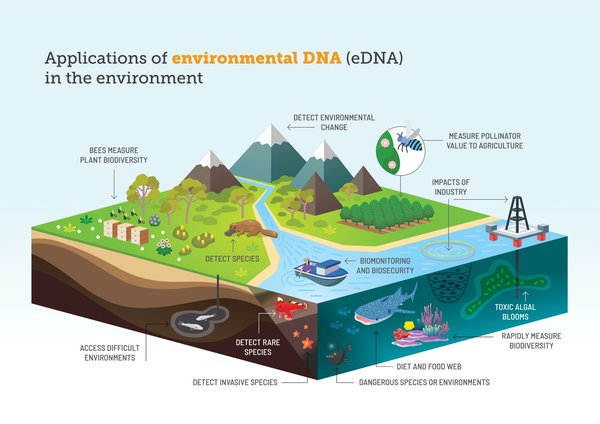
Figure 1. Applications of eDNA in the environment.
- © CSIRO 2021.Uses for eDNA
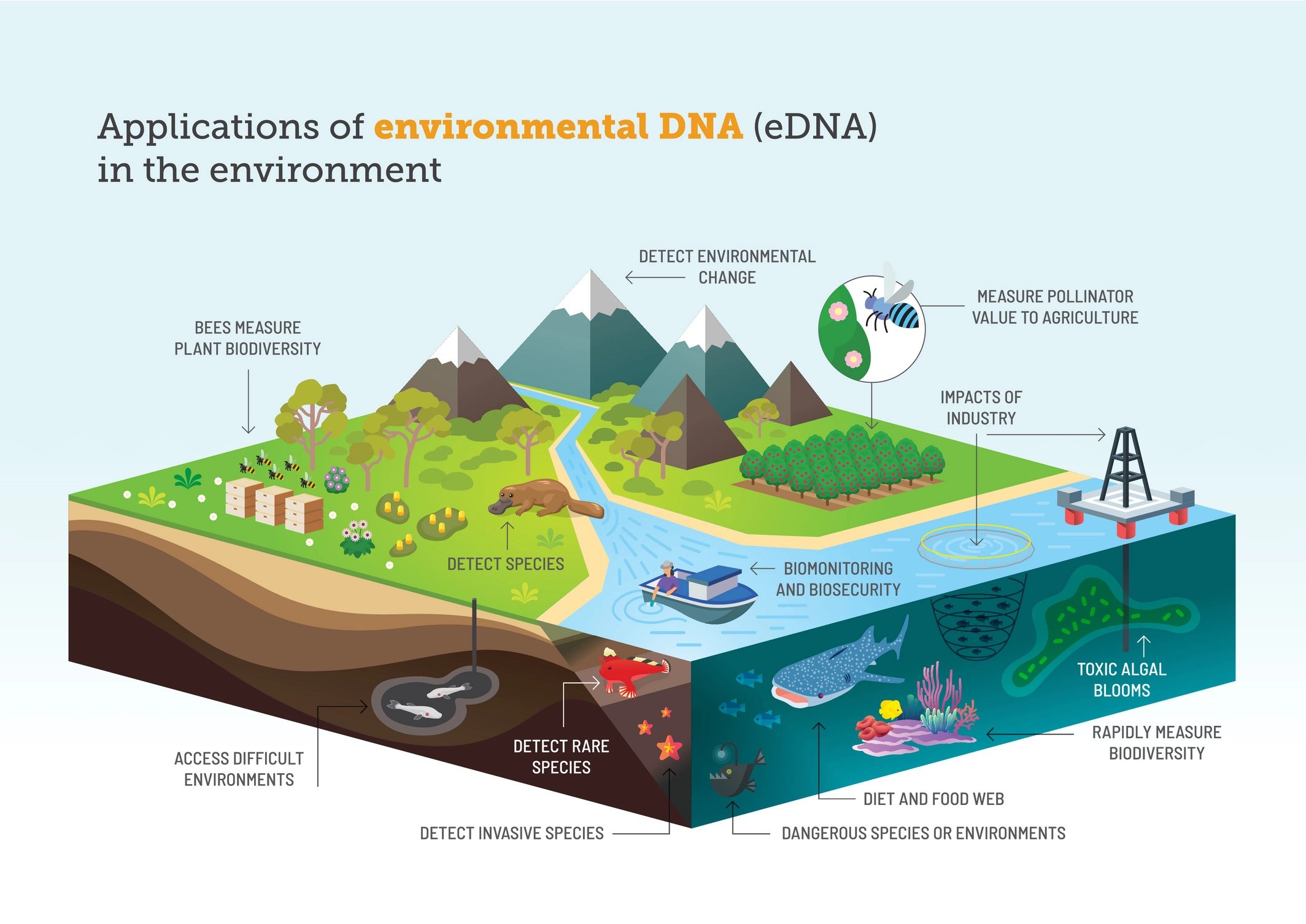
Figure 1. Applications of eDNA in the environment.
© CSIRO 2021.
What is eDNA
Sources of eDNA include a range of animal tissue, including skin cells, mucus, faeces, gametes, and decomposing tissue.
eDNA can be collected and analysed without the need to observe or capture the organisms themselves. This non-invasive monitoring method is particularly useful in monitoring the presence of organisms that are hard to detect visually including rare, cryptic, elusive, migratory and microscopic species making eDNA a powerful tool for biodiversity assessments.
eDNA is less effective in detecting highly mobile species, species with low DNA shedding rates, and species without reference sequences in databases.
How can eDNA be used in local monitoring
eDNA can be used to monitor the biodiversity of communities in a variety of coastal environments such as estuaries, mangrove communities, seagrass beds, and intertidal zones where the detection of changes in species composition over time may be used to identify early signs of ecosystem stress or pollution.
Expanding use of eDNA across states
Increasingly, eDNA is increasingly being incorporate into monitoring in management frameworks, with a growing body of guidance supporting its consistent and effective use. The examples in Box 1 highlight the expanding role and application of eDNA in different environments across different state jurisdictions..
Box: Examples of eDNA monitoring around the coast
New South Wales: the first eDNA mapping of NSW estuaries.
Northern Territory: using eDNA to locate and help conserve the rare largetooth sawfish.
Queensland: using eDNA to detect Crown-of-Thorns starfish on the Great Barrier Reef.
South Australia: using eDNA to determine very long term change in coastal plant communities on Torrens Island.
Tasmania: using eDNA to find the Maugean skate only found in two estuaries.
Victoria: using eDNA to track platypus in Melbourne's waterways.
Western Australia: Tjaltjraak rangers launched an eDNA project that uses traces of DNA found in cultural waterholes to identify animal species.
What can and can't eDNA show?
While eDNA excels at detecting species presence, currently it cannot be used to accurately estimate abundance or biomass.
Techniques such as quantitative Polymerase Chain Reaction (qPCR) and digital droplet PCR (ddPCR) can provide semi-quantitative data, but eDNA does not provide information on organism health, age, or size.
Consequently, using eDNA to monitor the presence of species should not replace all traditional monitoring methods, especially for visual confirmation or behavioural studies. Combining eDNA with other methods, such as Baited Remote Underwater Video (BRUVs), can provide a more complete picture of biodiversity. BRUVs are good for observing larger, mobile, and visible species, while eDNA excels at detecting small, cryptic, or rare species and microbial diversity.
Benefits and drawbacks of using eDNA for monitoring?
Use of eDNA in monitoring offers several benefits. It is a non-invasive method, meaning it does not require capturing or directly observing organisms, which reduces stress on wildlife and habitat disturbance. It is also cost-effective, especially when scaled up for large monitoring programs. eDNA is highly sensitive, capable of detecting species at low abundance, and it works well in challenging environments such as remote locations or turbid waters where traditional survey methods may be limited. Additionally, there is significant potential for standardising and automating eDNA workflows, making it a promising tool for consistent and scalable biodiversity monitoring. Plus, with a little training, samples can be collected by citizen scientists, giving more options for widespread sampling.
However, eDNA also has some limitations. Its effectiveness depends on the availability and quality of reference genetic databases to accurately identify species. There is a risk of false positives (detecting species that aren’t actually present) or false negatives (failing to detect species that are present), especially if contamination is not carefully controlled throughout the sampling and analysis process. Interpreting eDNA results can also be complex and often requires expert knowledge to account for environmental factors and biological processes that affect DNA persistence and transport.
Getting started
Check if there is a guide for your local area e.g. state guidance, or a guide developed by the local research organisation that undertakes eDNA work (e.g., Jame Cook University, Griffith University or University of Queensland, Australian Institute of Marine Science or eDNA Frontier).
Note that although you are likely to require specialised expertise to undertake eDNA monitoring, it is useful to have a general understanding of the steps involved to scope how use of eDNA will fit your broader monitoring objectives (Box 2).
Box 2. Steps in an eDNA monitoring plan
- Define your monitoring goals (e.g., species detection, ecosystem health).
- Consult with eDNA experts to design a fit-for-purpose sampling plan.
- Choose sampling sites based on habitat types and management priorities.
- Decide on what specific environment(s) to sample (e.g., surface water, sediment, bottom water) Tagliabue et al, (2023).
- Use validated protocols (see De Brauwer et al, 2023a).
- Ensure proper preservation (e.g., filtration, freezing, ethanol).
- Partner with labs or service providers for DNA extraction and sequencing.
- Interpret results with caution, especially for management decisions.
Sampling considerations
- Use multiple replicates per site (3+ recommended)
- Consider sediment vs. bottom water depending on target taxa
- Account for seasonal and spatial variability.